
Letter 'Ё' Day: The history, controversies, and oddities of the most special letter in the Russian alphabet




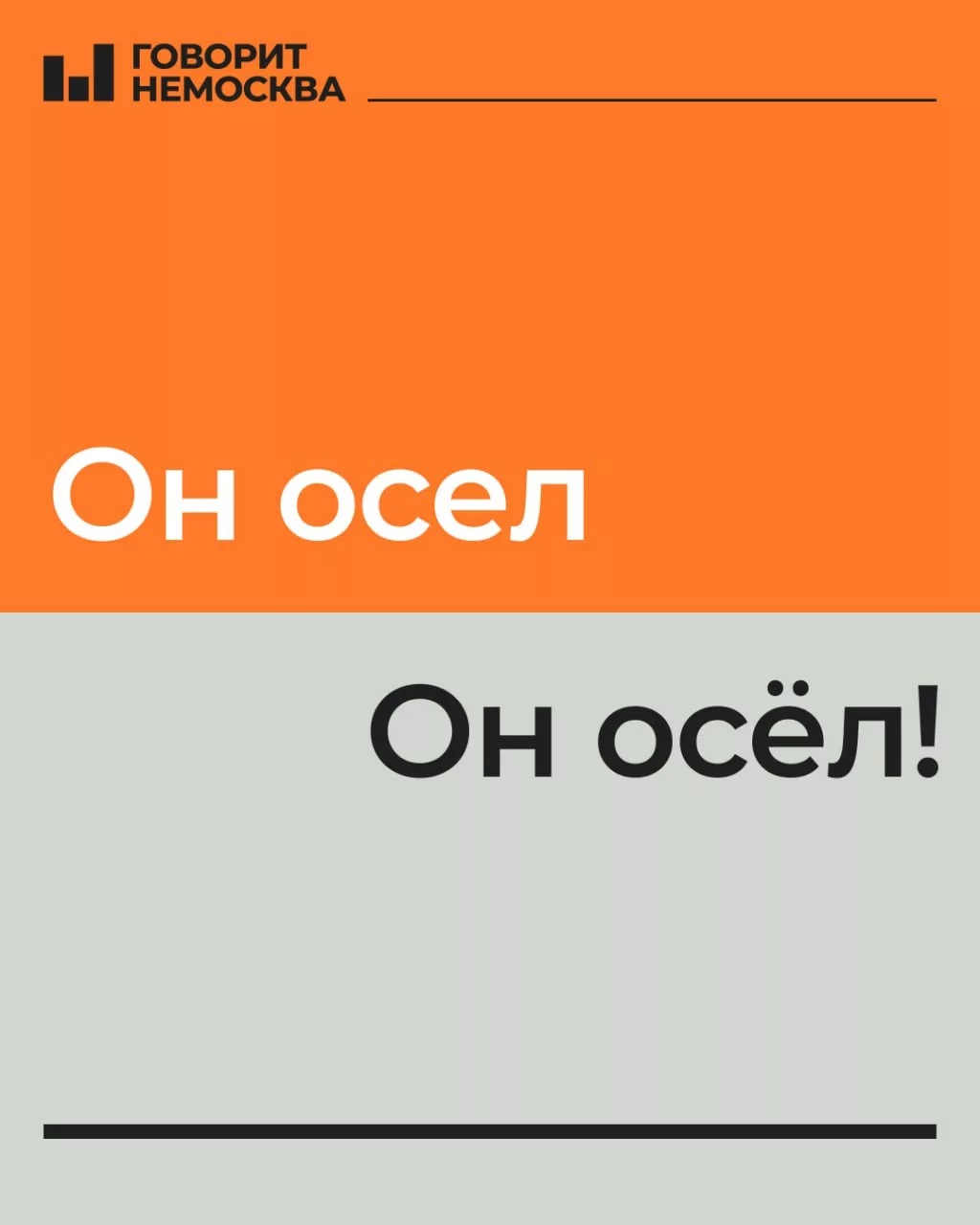



Today, November 29, marks the day of the letter "ё"—a unique symbol that appeared in the Russian alphabet in 1783. Its use was first proposed by Princess Ekaterina Dashkova at a meeting of the Academy of Sciences in St. Petersburg. At the time, the new symbol was intended to replace the combination "io" to represent the long-existing sound. However, the idea met with resistance—Metropolitan Gabriel considered the innovation a violation of Church Slavonic traditions.
The letter "ё" first appeared in print thanks to Nikolai Karamzin, who used it six times in his collection of poems. Karamzin explained that the dots above the letter were needed to preserve the rhyme and convey the combination "iô." However, the letter's popularity in the 19th century was difficult: writers and typographers often avoided using it, considering it too expensive. Nevertheless, Vladimir Dal included "ё" in his famous dictionary, and Leo Tolstoy included it in his children's alphabet.
After the 1917 Revolution, the letter began to become entrenched in the language. A decree by Anatoly Lunacharsky recommended its use, and in 1942, "ё" was included in the standard alphabet. In 1956, new spelling and punctuation rules mandated the letter's mandatory use in cases where its absence could lead to errors, such as the distinction between the words "все" and "все" or "виндро" and "вёдро."
However, the controversy surrounding the letter continues to this day. Despite its significance, especially in official documents, in print, "ё" is often replaced with "е." This leads to curious situations where the meaning of words is distorted: for example, the absence of dots can turn a character's surname from "Slezkin" to "Slezkina" or cause confusion between "announced" and "announced."
Curiosities and funny incidents with the letter "ё"
There are many interesting stories associated with the letter "ё":
- In passports, surnames were often confused; for example, Smirnov and Smirnev could turn out to be different people.
- The absence of periods changed the meaning of phrases, as in the example: “Yellow fields” could be read as “Yellow fields” or “Miserable fields”.
- In poetic texts, the letter "ё" helped maintain rhythm and rhyme, but many authors, such as Marina Tsvetaeva, wrote "черт" instead of "черт" on principle.
Today, "ё" remains a symbol of linguistic identity for some and a redundant sign for others. But it is precisely this that makes the Russian language even richer and more interesting.