

The fateful night of Noon
How a Ural village commemorates the massacre of nearly fifty residents
It's rare to find well-maintained spaces and monuments reminiscent of the difficult Soviet past in villages. Poldnevaya is one of the few settlements with a memorial to the victims of political repression. Even the regional capital, Polevskoy, with a population of approximately 70,000, lacks such a monument, and in the small village of Poldnevaya, with a population of 1,500, one appeared 12 years ago. Residents erected it at their own expense to commemorate the horrific events of February 9, 1938. At that time, 46 men were arrested in the village, and less than a month later, on March 7, they were executed in a single night. Stalinism researcher Oleg Novoselov explores how villagers preserve the memory of Stalin's repressions in a joint article by NeMoskva and It's My City.
***
I first heard about the shooting of 46 men from a subscriber to my Telegram channel. Repressions in Sverdlovsk Vladilen Yesunin. Among those executed was his great-grandfather, Alexei Raskostov. Vladilen was inspired Denis Karagodin's investigation, and following his example, he conducted his own private investigation, identifying all the NKVD employees of the Sverdlovsk region involved in the case of his great-grandfather.
Most of those executed on March 7, 1938, were native Poludneva residents, but among them were also those who had been dispossessed in the early 1930s and exiled to the Urals—for example, Shkramada, a Ukrainian native of the Kharkov region.
The main charges against him included the creation of a counter-revolutionary organization with the aim of overthrowing Soviet power through an armed uprising, participation in punitive operations by the Whites during the Civil War, organizing a train crash, setting fire to a dormitory, a store, and private homes of communists, killing a breeding bull on the Trudovik collective farm, and anti-Soviet agitation.
All 46 people in the case pleaded guilty. The oldest were Sergei Bulatov (74) and Fyodor Tupitsyn (72). The youngest, Alexei Volkov, was only 25.

Even for the "cannibalistic" years of 1937-1938, this was outside the "norm" of Stalin's terror. However, this episode wasn't the only ordeal for the villagers. Collectivization, accusations of Trotskyism, arrests "Polish operation", accusations of discrediting the government during the war—the villagers had to endure all of this.
In 1956, the executed Poludnevchany were rehabilitated. The explanation was that the organization had never actually existed, but had been artificially created by the leadership of the Sverdlovsk Regional NKVD, and that no evidence of sabotage had been proven.
Vladilen knows his family history from his mother, who in turn knows it from his grandfather and great-grandmother, the wife of the murdered Raskostov. At the time of his arrest, the family was living at siding #79, a small station near Polevskoy Station. They lived in a barracks. After the arrest, his great-grandmother and the children moved to Sysert Station, where she worked as a cleaner. They lived in a barracks again. In the spring of 1938, after her husband's execution, the children were brought out in front of the school lineup and told they were the children of an enemy of the people. They never went to school again, always staying with their mother.
"We worked somewhere, earned something. In the summer, we were always in the forest: gathering firewood, mushrooms, berries, fishing," Vladilen recounts his family's stories.
After the 1941-1945 war, his grandfather got a job at the railroad at Polevskoy station, where he worked until retirement. He built a house for his mother at the station, and Vladilen spent every summer there as a child. A portrait of his great-grandfather hung in the house. Sometimes, the boy heard his grandfather say something incomprehensible: "F***ing [damned] commies."
"I wish I could feed Stalin himself some of this bread."
The main initiator of the monument's installation in Poldnevaya is history teacher Valentina Shcherbakova. She has worked at the local school for 57 years (28 of them as head teacher) and preserves the memory of the bloody events of the Great Terror.
The one-story brick school in Poldnevaya was built in 1914. A second floor was later added, and the building was expanded with two annexes. Inside, the wooden floor creaks underfoot, and a wide, old wooden staircase leads to the second floor. Valentina Pavlovna takes us to a small school room, which she was given to house a village history museum. She also keeps her archive here.


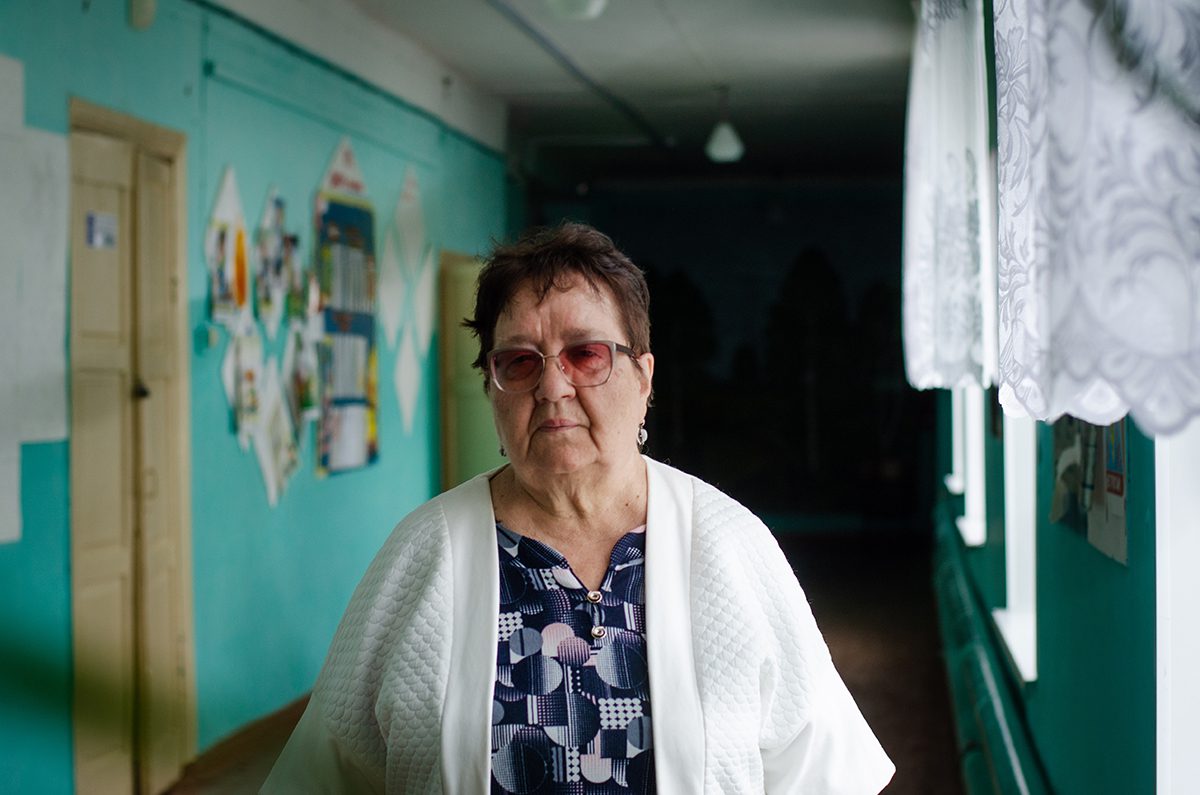
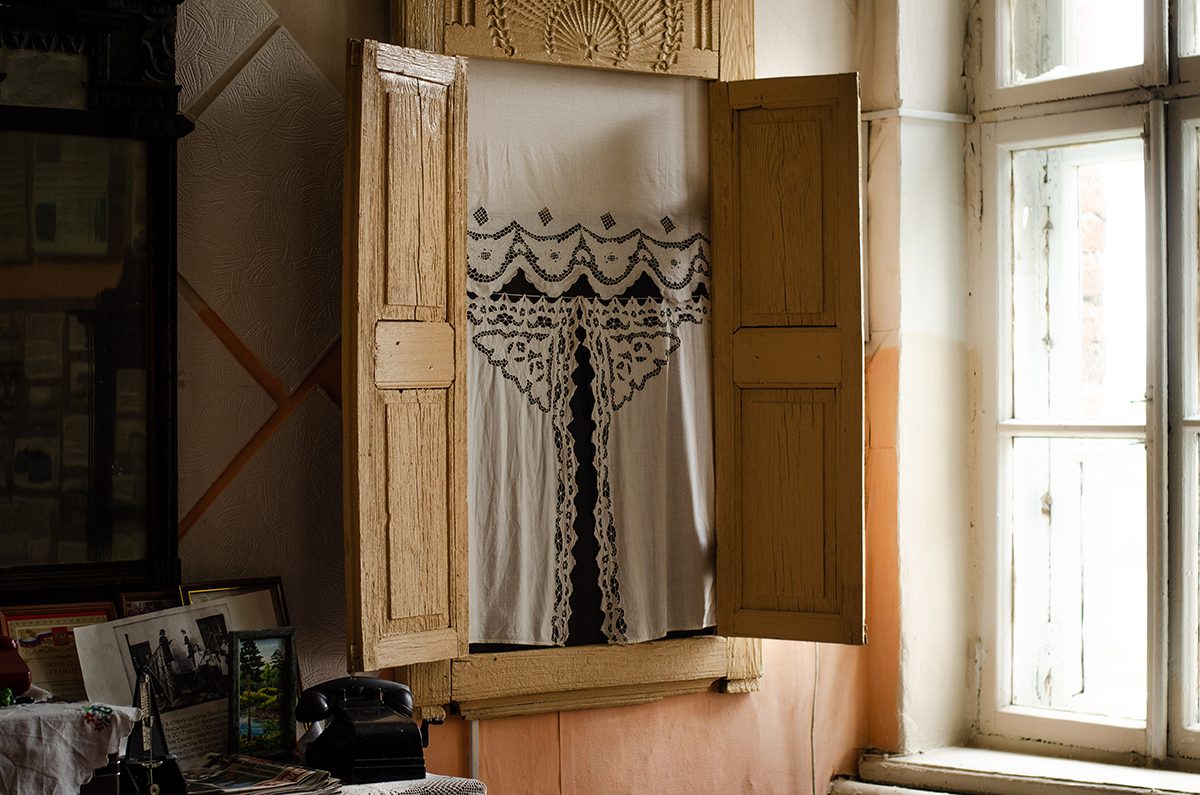
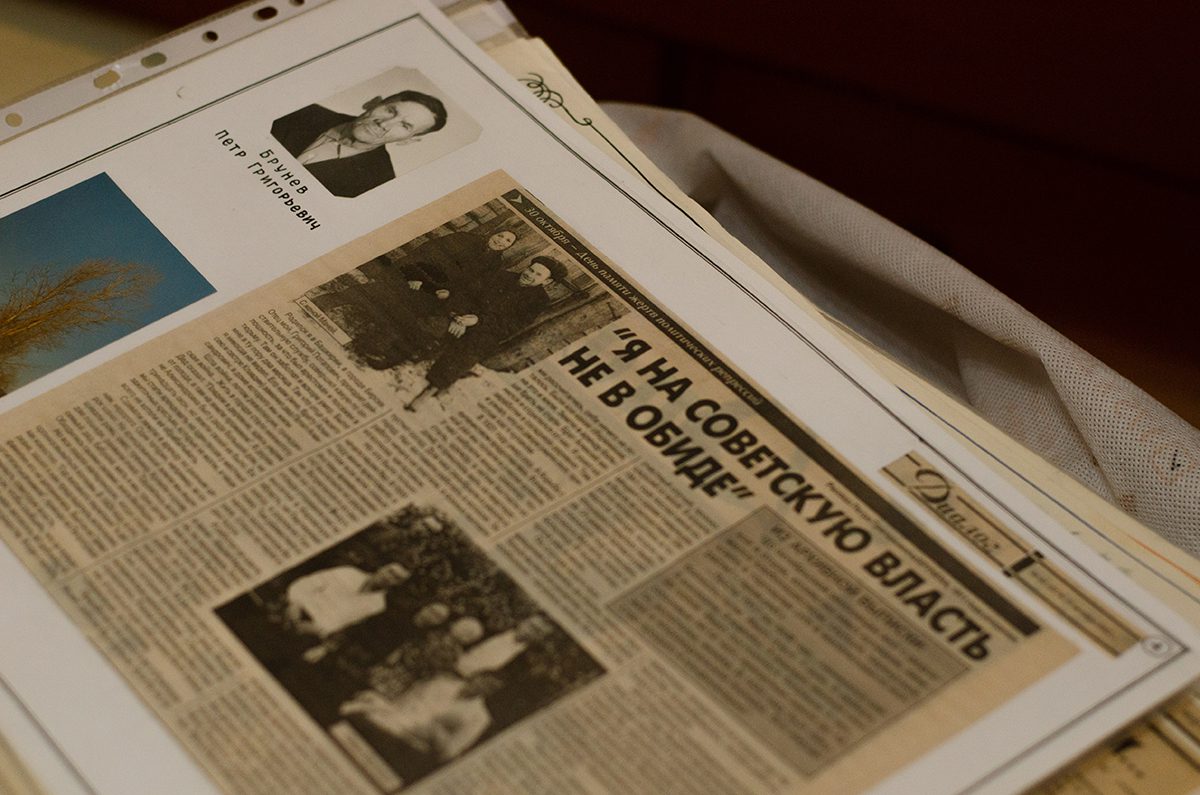
Valentina Shcherbakova is a native of Poludneva. She was born here, raised here, and graduated from school here. She then enrolled in the history department at Ural State University in Sverdlovsk, graduated, and returned to her home village to teach.
Valentina Pavlovna first learned about the repressions in the 1960s, when she was in high school. She became intrigued by her mother's conversations with friends and neighbors about the fates of arrested relatives and acquaintances. She asked questions about why and for what reason they had been arrested. The answers she received were that they had been framed, not criminals. The names of those who actively "turned in" fellow villagers and neighbors surfaced, and the one most frequently mentioned was Stepan "Kudelya" Zavyalov. He was called a "seksot" [a secret agent, a KGB informant]. Valentina didn't understand the meaning of the word, but it struck her as obscene and offensive.
In the late 1950s and 1960s, those repressed, who had been in camps and exiled, began to return to the village.
“There were a lot of former camp inmates,” says Valentina Shcherbakova. “For example, Marina’s grandmother.” (the second history teacher at the school – editor’s note)On her mother's side, there are Annetskys, three of whom went through the camps, and on her father's side, her grandmother, Maria Stepanovna, spent time in the camps, I think somewhere near Kopeysk in the mines (arrested on September 20, 1941, sentenced to eight years in a labor camp, rehabilitated in 1965 – editor’s note).
Valentina heard the story of Maria Stepanovna's arrest from her own lips. While waiting in line at a village grocery store, she publicly complained about the quality of the bread, saying, "I wish we could feed Stalin himself some of this bread." And then someone reported her.
After the first rehabilitations, the topic began to be discussed openly: why on earth was a man with a four-grade education, who had worked in a village his entire life, accused of having ties to foreign intelligence?!
At the same time, many of the informers were still alive and remained in Poldnevaya. Valentina Pavlovna says that fellow villagers harbored resentment against them and distrusted them.
"I feel nothing but a shudder."
Valentina Shcherbakova worries that too little time is devoted to the school curriculum to teaching students about the 20th century and explaining the circumstances people found themselves in during that period. Several years ago, she and her students did a project on political repression. Many witnesses to those events were still alive. Her students walked around the village, interviewing these people and recording their stories. Valentina Pavlovna and her students also conducted what she calls "raids"—they divided into groups and visited the repressed and their relatives. They helped them and gave them treats.


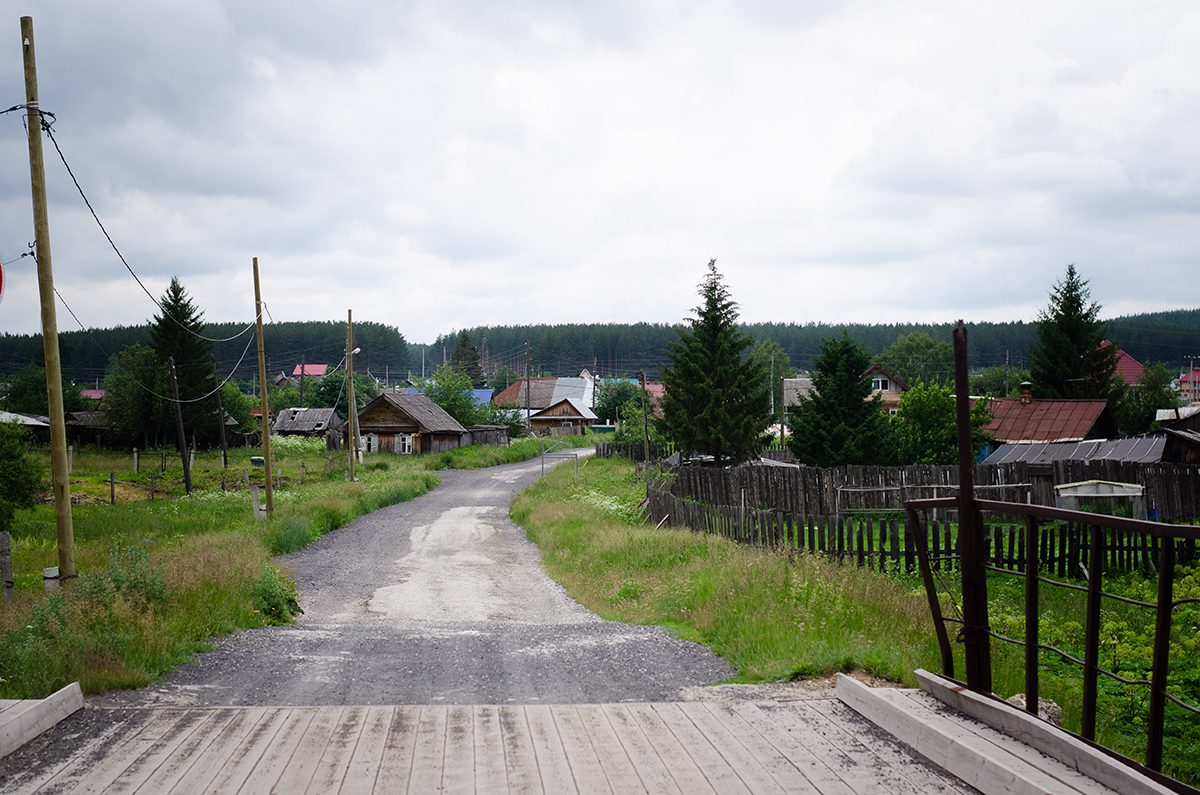
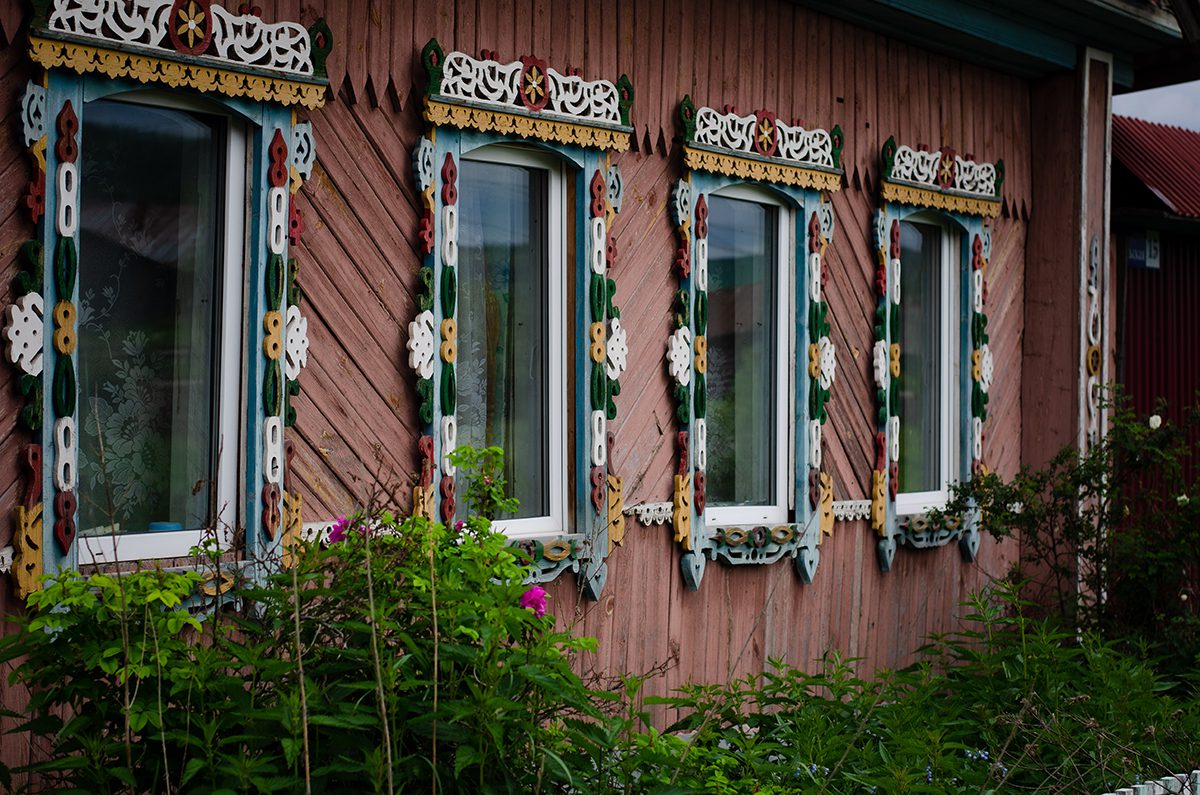
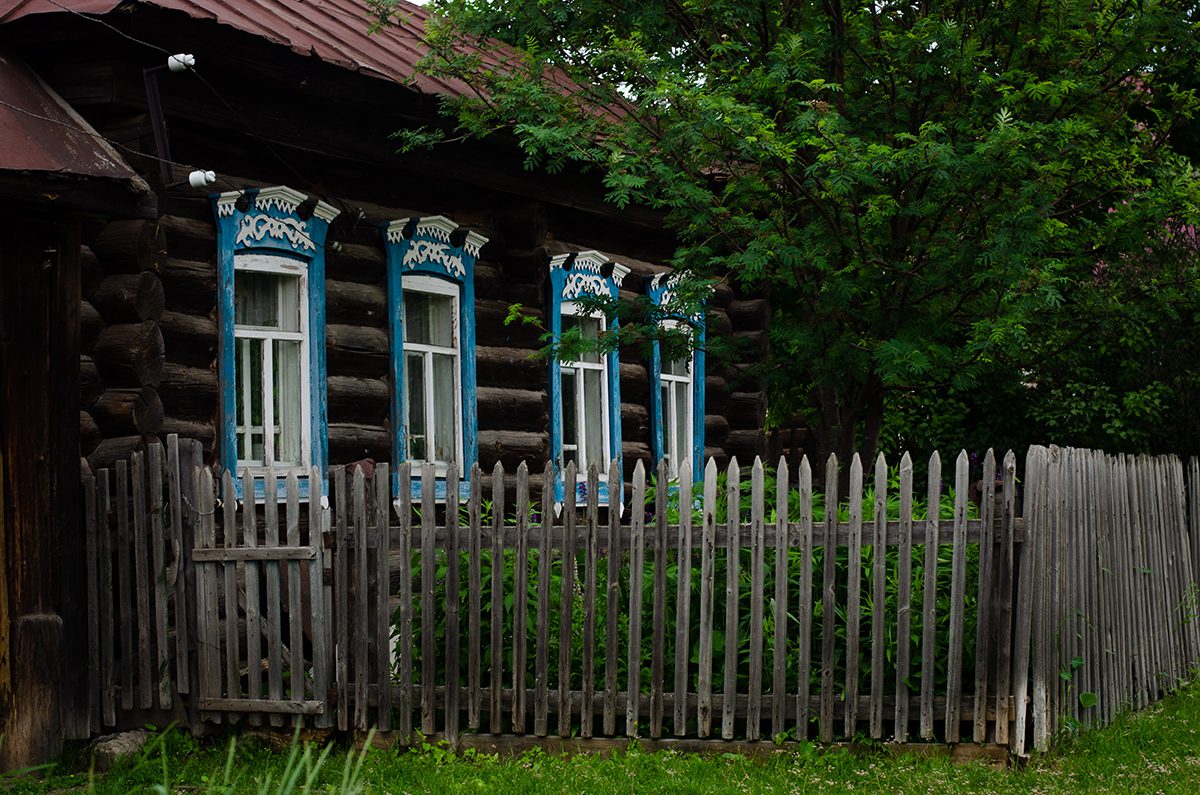
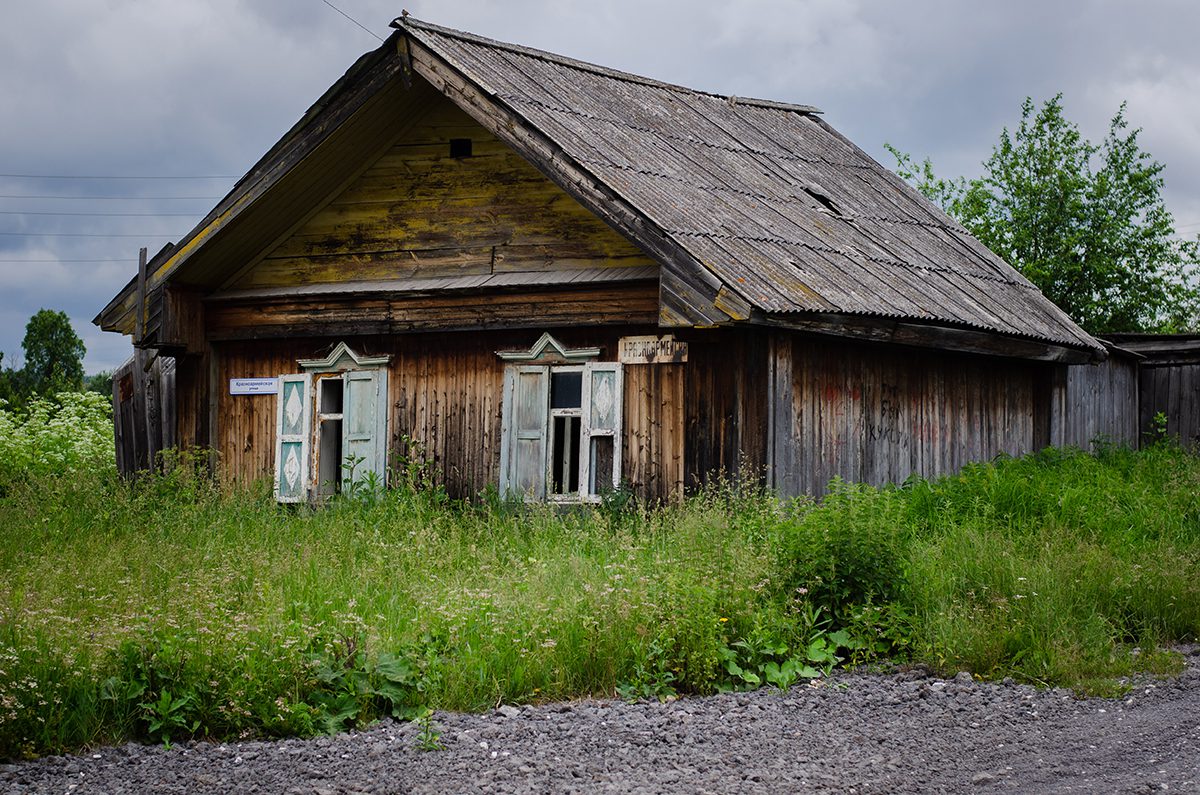
The clean streets and wooden houses with carved window frames leave a pleasant impression. Only the occasional abandoned, ownerless house mars the picture of what appears to be a prosperous village life.
And in 2012, a monument to those repressed was erected in the village.
"At the time, my husband was the head of the village administration, and I took advantage of this to engage him in my concerns about erecting a monument. He agreed with me that it would be the right thing to do," says Valentina Shcherbakova. "We went together to see the head of the Polevskoy Urban District's Department of Culture." Maxim NezlobinHe listened to us attentively, but said: “We don’t have such a monument in Polevskoy, but you want to put it up in your Puldnevaya?”
In short, he didn't support it. And no official backed it, except perhaps the head of the Polevskoy administration, Alexander Kovalev, and even then, only privately: when the villagers were raising money for the monument, he contributed his own. He even attended the unveiling.


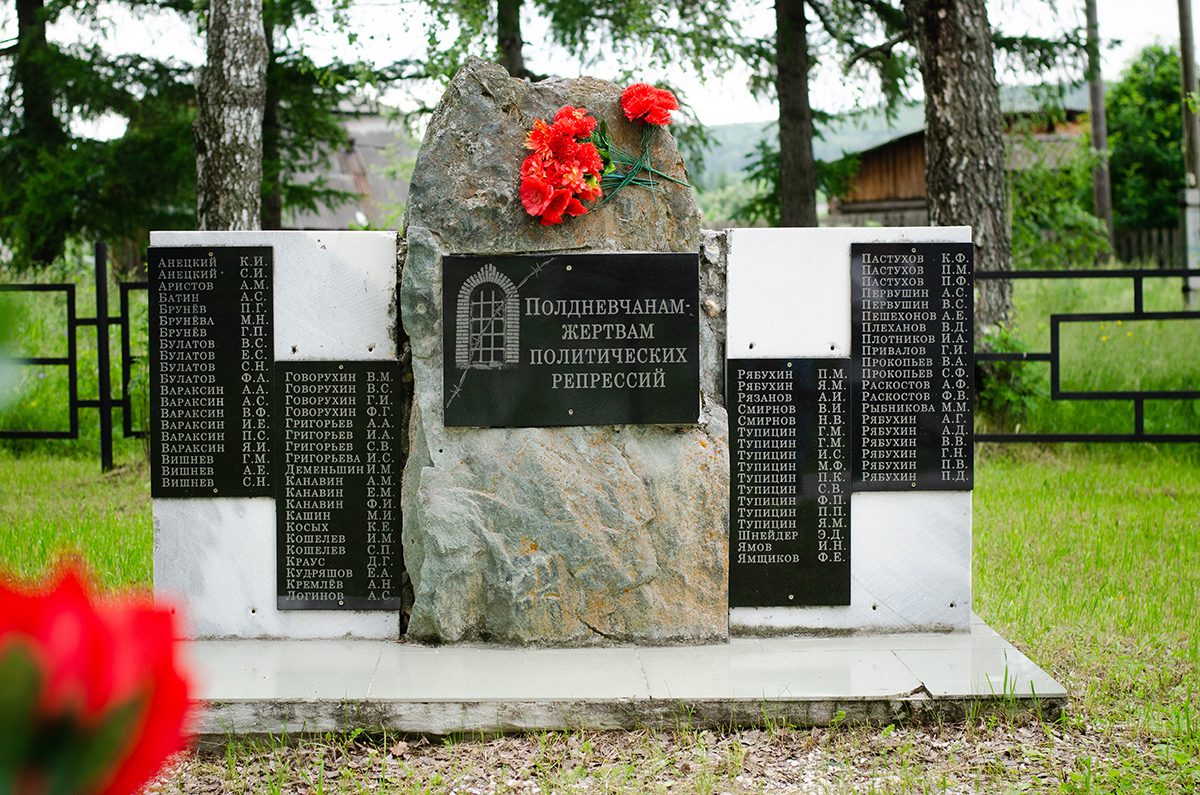
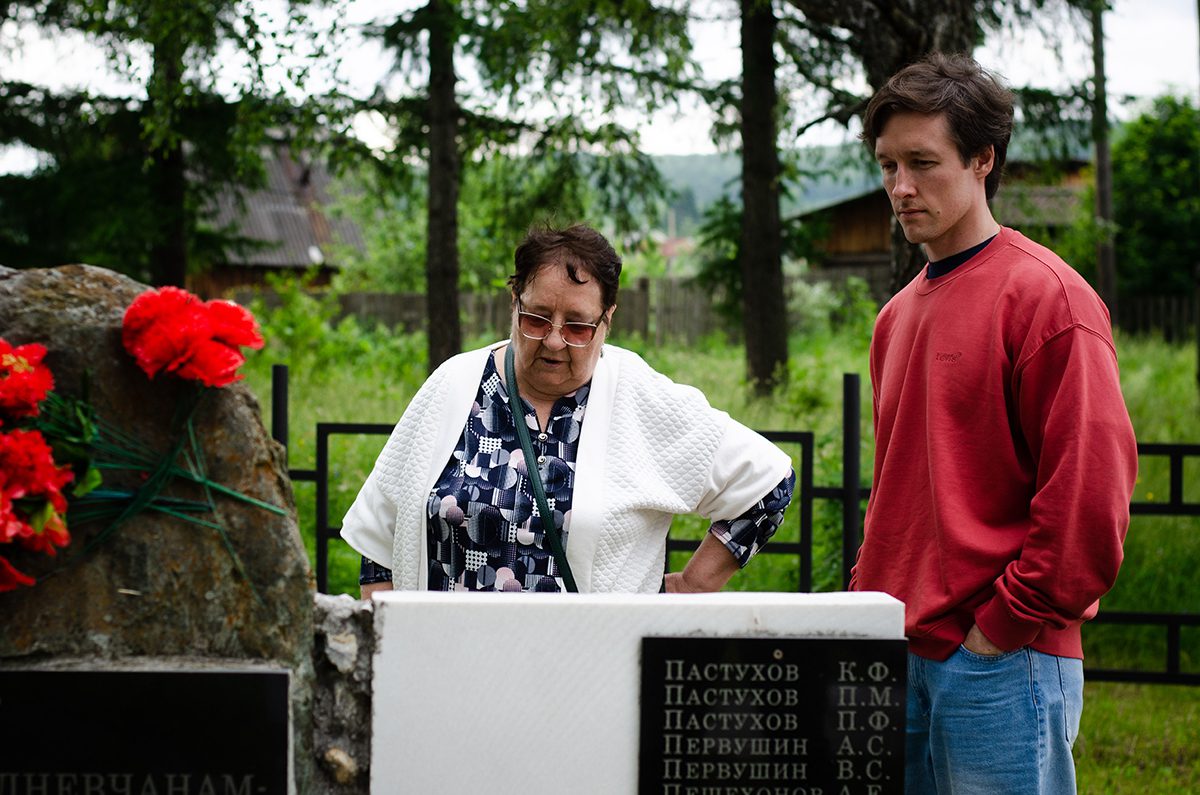
Around 60 rubles were raised for the monument's installation. Artist Valentin Efremov designed the monument pro bono. Polevskoy entrepreneur Mikhail Kolmogorov donated the equipment and marble. The serpentine rock was sourced from nearby waste rock dumps. The contractor was enthusiastic about the idea and accepted only the amount raised.
The unveiling took place on September 1, 2012. Valentina Shcherbakova recalls that "a huge crowd came," over a hundred people—from Poldnevaya itself, Polevskoy, and Yekaterinburg. Father Ilya, a local church minister, was also present at the unveiling and consecrated the monument.


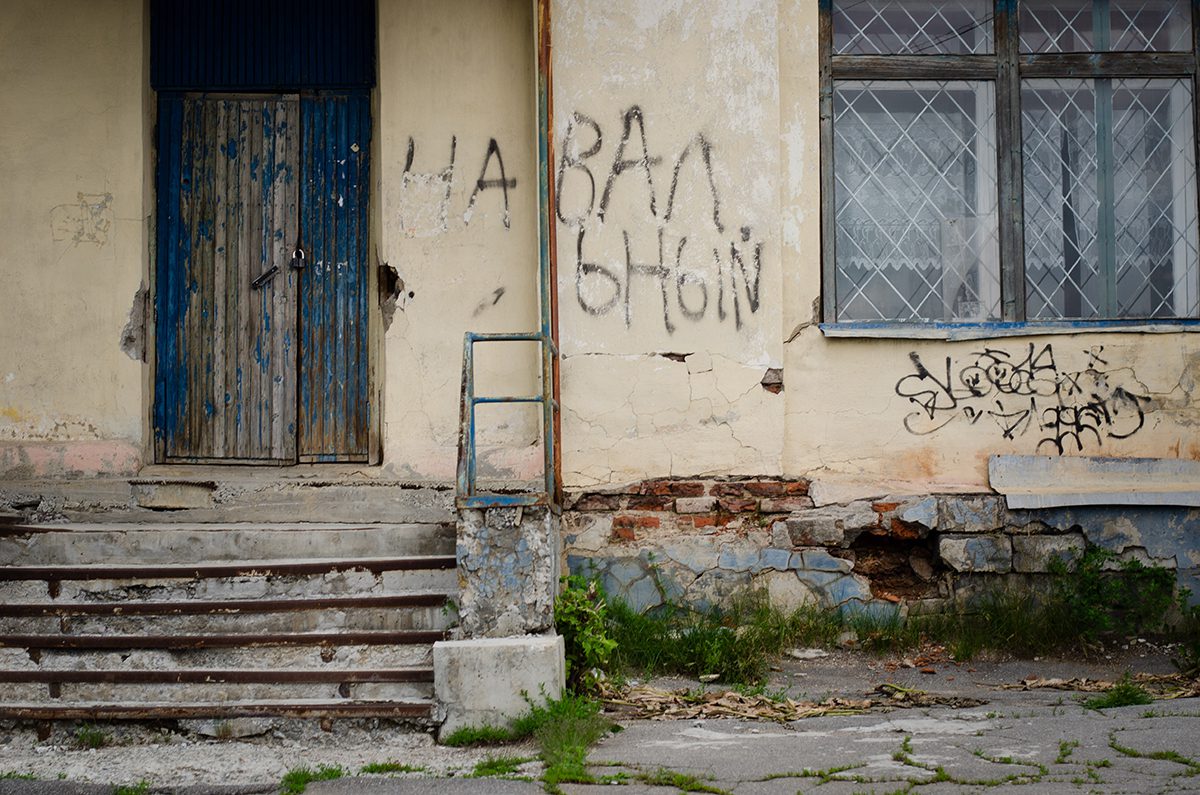
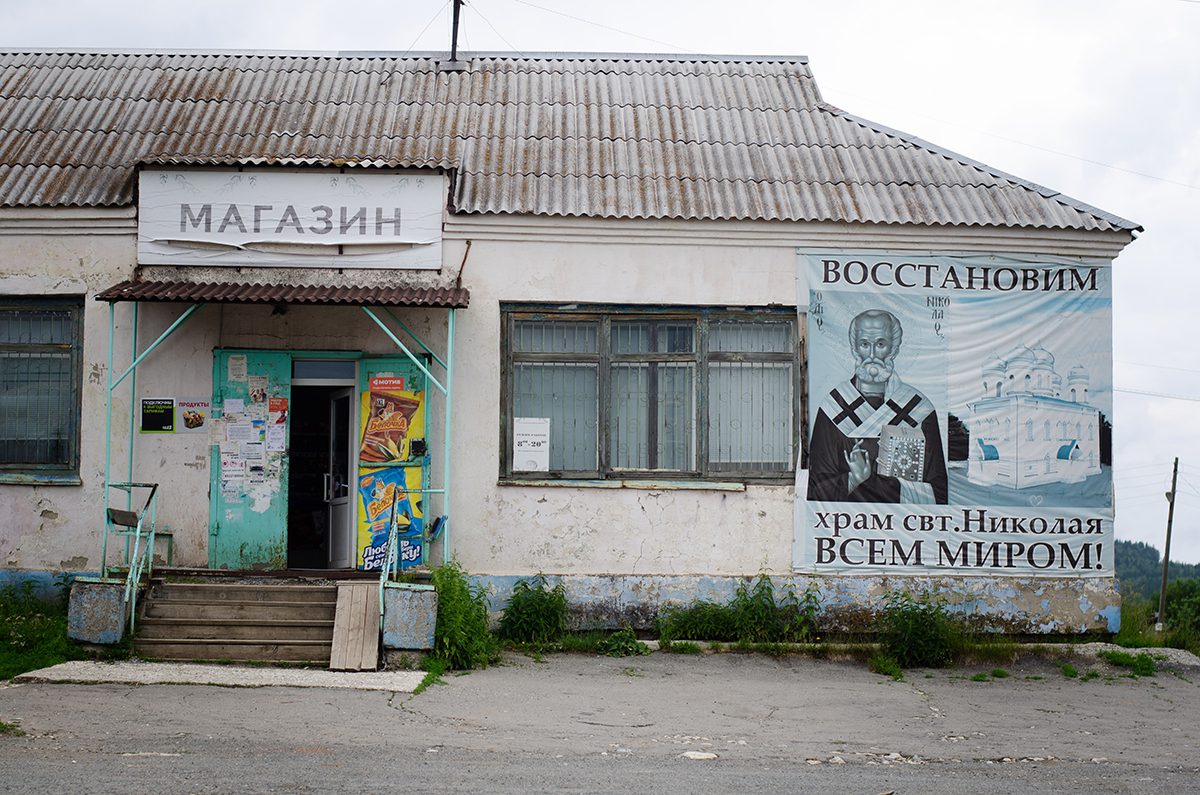
The main square is occupied by a former church, founded in 1844. In 1938, the bell tower was demolished, and the church was closed, converted into a village store. It now shares the building with a newly established church. The word "Navalny" is written on its wall.
Since then, every year on October 30th, Remembrance Day for the Victims of Political Repression, the school hosts events: children recite poetry, Valentina Pavlovna shares her findings from archives and conversations with relatives of the repressed, and other guests recall stories told by their grandparents. One year, they held a candlelight procession through the village.
To the question about modern restalinization - attempts to whitewash Stalin, the installation monuments и bas-reliefs, destruction of signs Last Address — the teacher answers with restraint:
"Perhaps the monuments erected during the Stalin era shouldn't be completely torn down—it's our history, whatever that may be. But knowing now that so many people died in the mass repressions, it's hardly worth glorifying this man. I feel nothing but a shudder. And once again I'm convinced how important it is to study history not in episodic pieces, but systematically and deeply."
Valentina Pavlovna is currently preparing a book about the history of the village for a second edition. Half a day to NoonThe first print run—about 150 copies—sold out immediately after the presentation. And on October 30, the village will once again host its annual commemoration of the victims of Stalin's terror.
“As long as I’m alive, we’ll hold it every year,” promises Valentina Pavlovna.
"If there were a royal [power], we would live with the royal"
Not far from the school is the Poldnevaya station. It was from here that the arrested residents of Poldnevaya were taken away in February 1938.
According to Valentina Shcherbakova, many witnesses to those events described how a cattle car stood at the station all day. Arrests continued all day, from morning until late at night. The daughter of Fyodor Yamshchikov, one of those executed, recalled: three people came—a local policeman and two "outsiders." They asked for her father. He was at work, logging. He was supposed to be back by five. By then, they had come for him. They didn't give him anything to eat or change clothes after work, but they took him and led him away. His family never saw him again.

Another village resident, Lyubov Tupitsyna, also has a family member who was repressed, her father, Ivan Yamov. His name is on the monument, but Ivan wasn't executed; a year earlier, he was exiled to the camps for ten years. During collectivization in 1930, Yamov briefly served as chairman of the Poludnevsky village council and participated in collectivization himself. He then held management positions at various Polevskoy enterprises. In early 1937, he was director of the Polevskoy bread factory. And in February of that year, he was arrested for serving in a brigade in the Red Army. Sergei Mrachkovsky, who was executed in 1936 as an associate of the disgraced revolutionary Leon Trotsky. Then they got to many of his associates.

Lyubov Ivanovna is 92 years old, and we find her working in the garden. Hearing that we wanted to talk about her father, she invites us into her house—a log cabin with two windows, a Russian stove, and sleeping benches. After boiling some tea, she begins her story.
“Let me sit closer,” I suggest.
"Yes, I hear everything. The only thing I don't hear is what I don't want to hear!" Lyubov Ivanovna jokes.


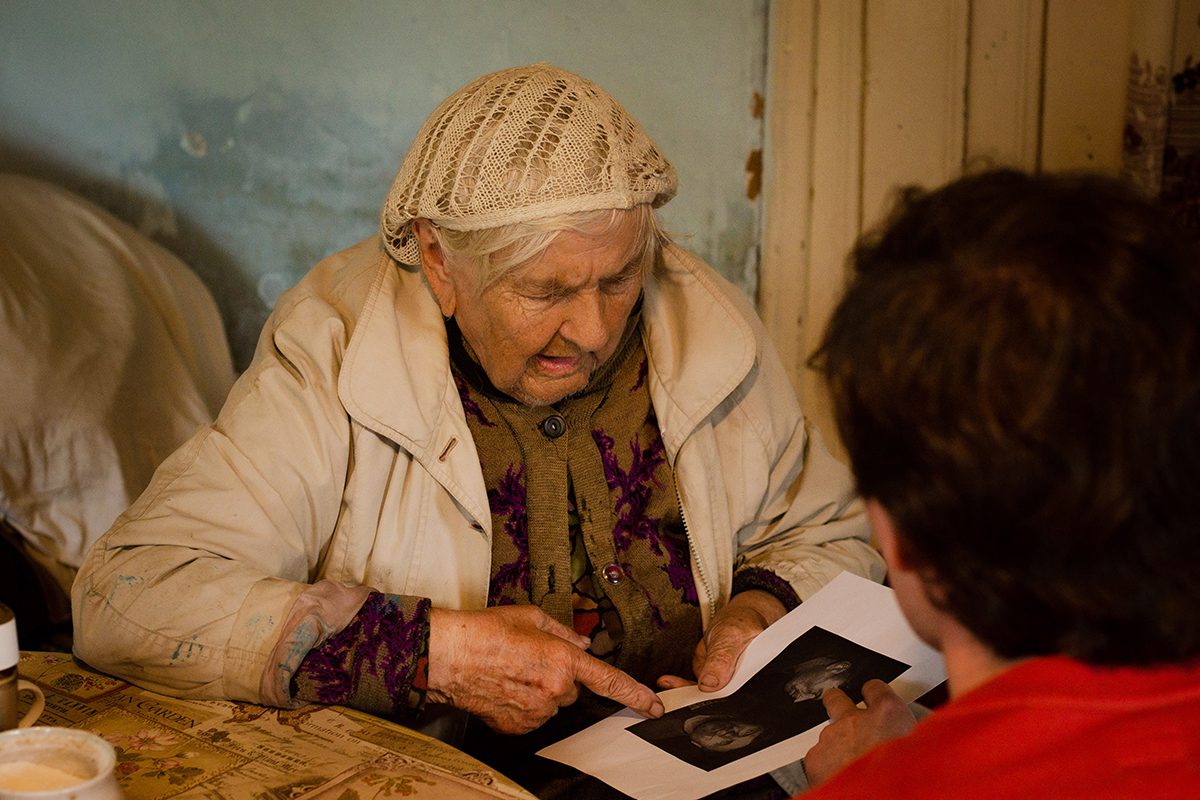
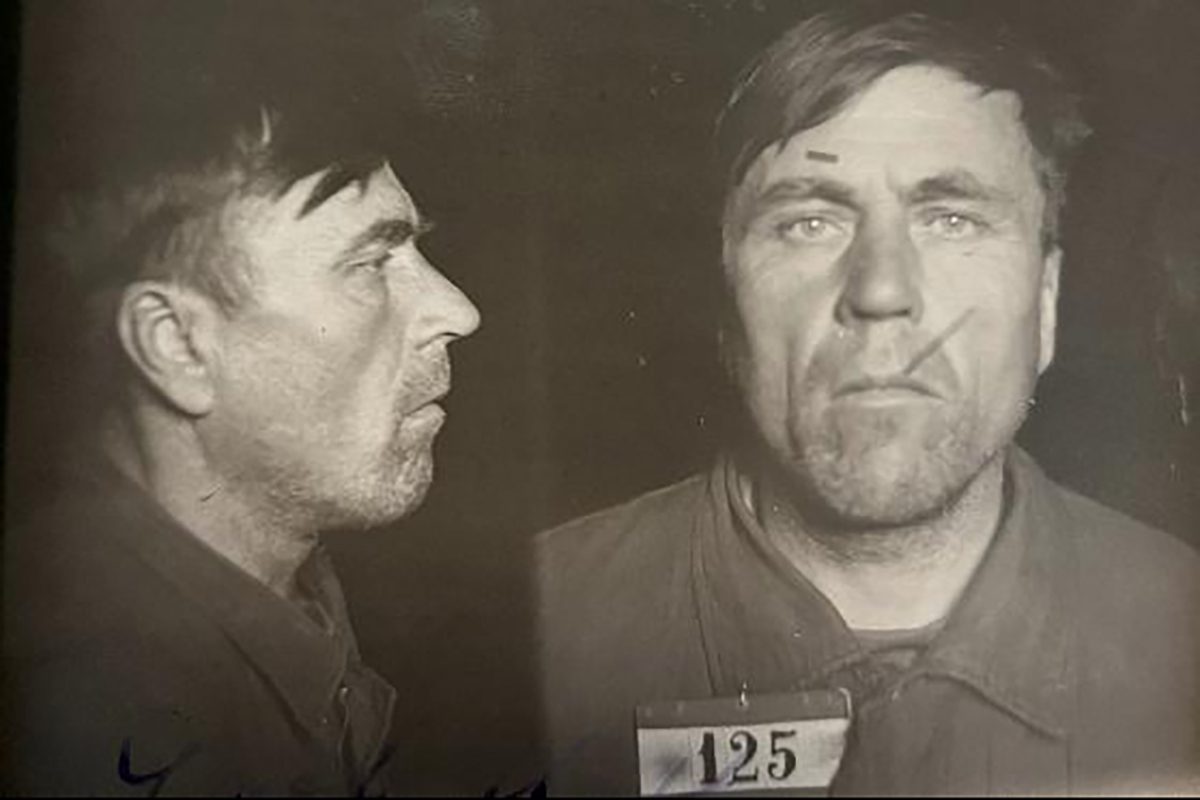
Father, says Lyubov Ivanovna, was a “true communist”:
"He was the one who won this Soviet power here. He was the one who dispossessed my mother, and then he came back and married her. He thought they had a lot of stuff hidden away, so he decided to marry her... Her mother said to her, 'Marry him, maybe they'll leave us in peace.' They would steal cows and horses. And my father had five of us and left my mother with us [he went to live with another woman]."
Later, however, he kidnapped four children, and until Ivan’s arrest, little Lyubov lived with her stepmother.
"Some woman told my mother, 'Don't worry, he'll be jailed soon, and you'll get the kids back.' When he was jailed, my mother took us away from my stepmother. We lived poorly. My mother didn't work. I worked as a nanny, went to state farms, weeded. At least they fed us there," recalls Lyubov Tupitsina.
My father sent letters from the camp. Lyuba was illiterate, but her mother read his letters aloud. In 1947, he was released and returned to his former family, and his mother took him in. He worked as a foreman in Kosoy Brod and lived in Poldnevaya. When he finished construction, he was arrested again. This time, they sent him to Angara, in the Krasnoyarsk region. for settlementThere he married for the third time, and after his release, he returned to Poludnevaya. Only this time, his ex-wife didn't accept him.

It was that same Kudelya who turned in his father. Yamov was in a leadership position at the time and "lived comfortably," while Kudelya was poor, "so he was jealous," explains Lyubov Ivanovna. When Ivan returned to the village in 1947, the first thing he did was go to the informer. His mother then said, "Well, that's it, he'll kill me."
“In the end, we see: they finished the bottle and parted happily, he didn’t do anything to him,” the interviewee recalls.
"Did anyone in the village say anything about the days when a large group of men were arrested at once in February 1938?" I ask.
"No, I don't remember anything like that. Who was there to discuss it with? They took away an entire train car, and the women were afraid. You couldn't say a word, they'd lock you up."
— And what was your attitude towards the Soviet regime?
"They're all family to me. We didn't think twice about it; we're used to living like this. You adapt to life. If it were the Tsar's, we'd live with the Tsar's. When I was seven, all the girls went to school, and they sent me off to be a nanny. What politics do I care?"
Throughout the entire conversation, Valentina Shcherbakova sits with us, taking notes in her notebook and asking questions for the book's reprint. We work in pairs, it turns out.
When we say goodbye, Lyubov Ivanovna sees us off, instructing: “Go with God…”
"The kids scare each other, and we younger ones hide under the bed."
The Annetsky brothers' descendants—their names are listed first on the monument—live a little further away, in a block of two-story "state farm" houses on Komsomolskaya Street. Here we meet Lyubov Guseva, the niece of the repressed Poles and the custodian of the family archive.


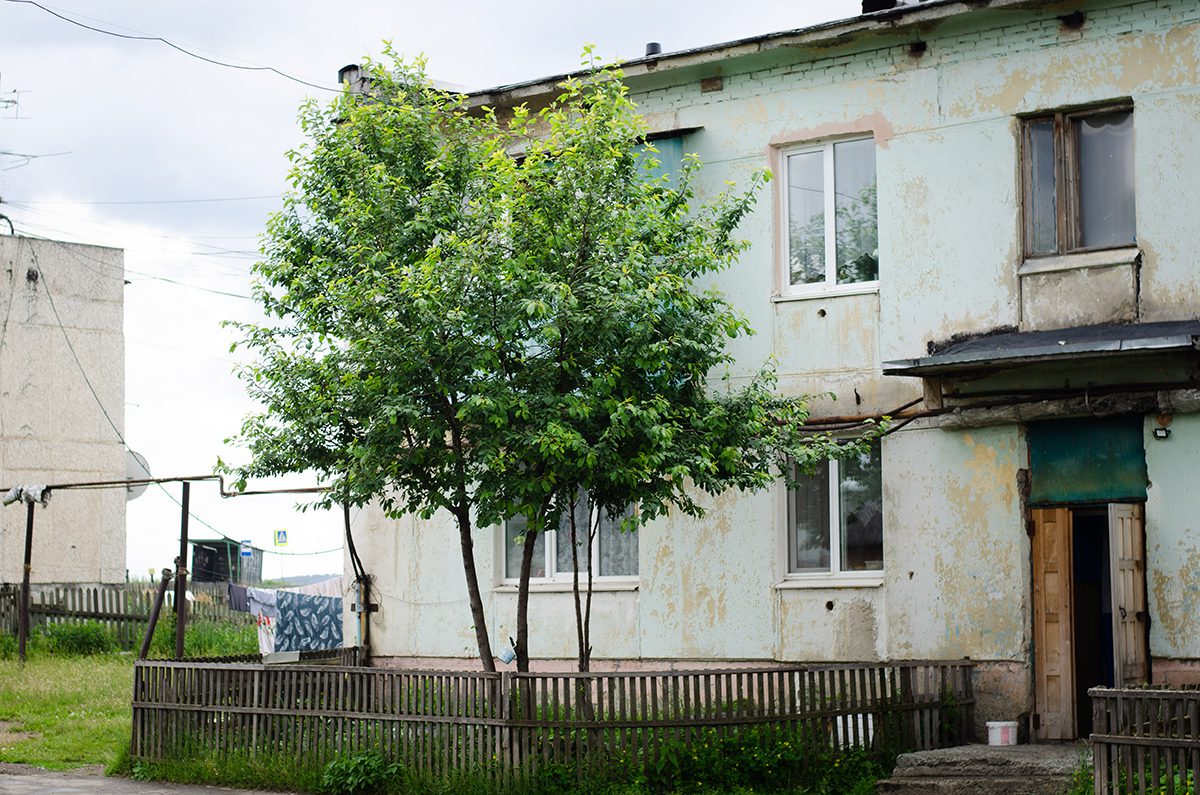
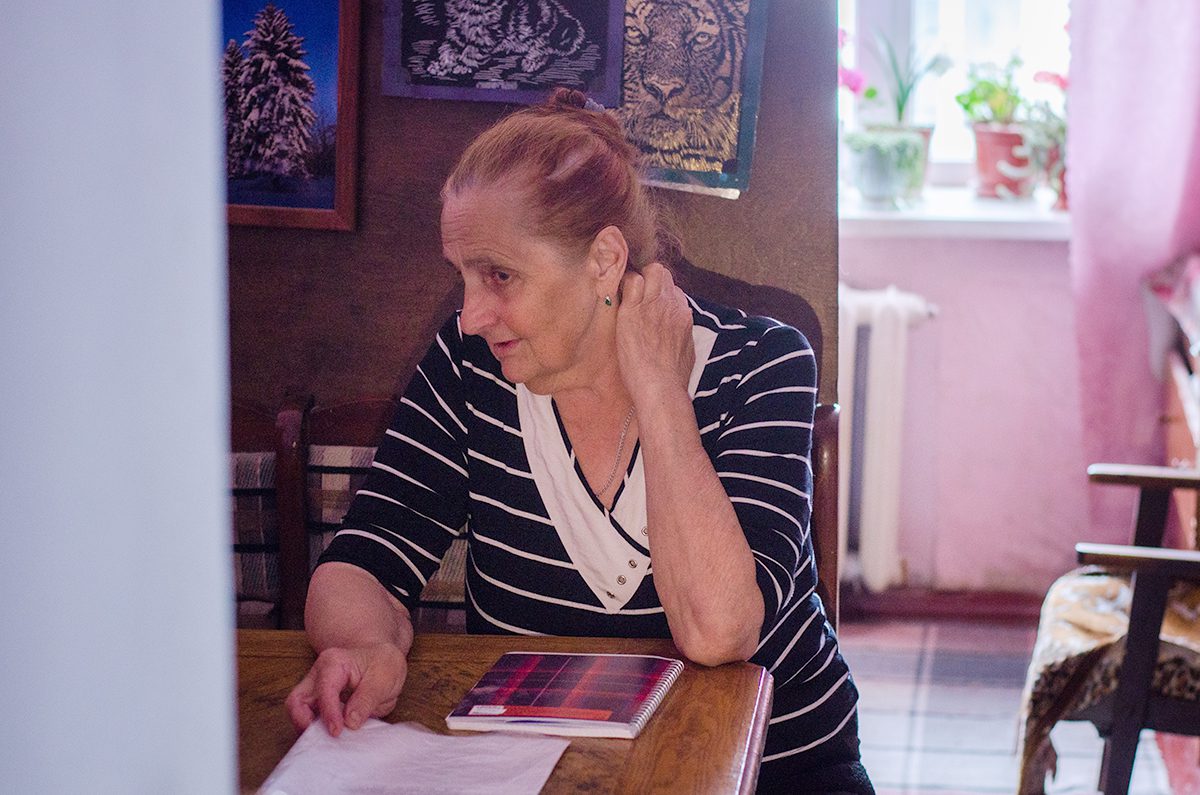
However, it is possible that they are not Annetskys at all – the family hid their surname their entire lives.
"We still don't know the correct spelling. There are three options: Annetsky, Annetsko, Annetskikh. All the children had different endings, and now the monuments have different endings," says Lyubov Guseva.
Ivan and Victoria Annetsky arrived in the Urals at the beginning of the 20th century, having been deported from Poland to Siberia. In late February 1938, 69-year-old Ivan Ivanovich and 62-year-old Victoria Bronislavovna, their daughter, and three sons were arrested as part of the "Polish operation." The father, mother, and daughter were released almost a year later, but the three sons were sentenced to ten years each.


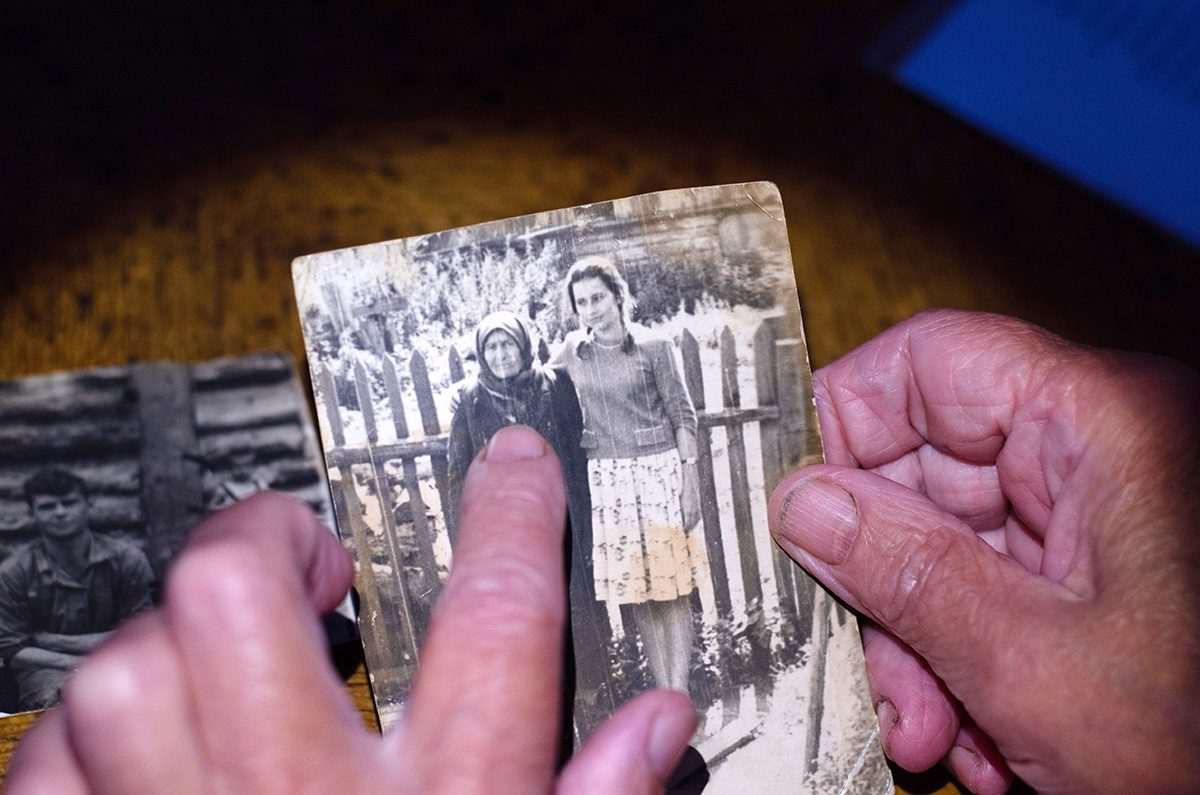
From the materials of the investigation file. Complaint by Kuzma Ivanovich Annetsky to the Supreme Prosecutor of the USSR, February 4, 1939, Vyatlag, 1st camp subdivision: "I was taken to Sverdlovsk Prison on March 3, 1938, where the investigator offered me a fictitious protocol to sign, allegedly detailing acts of sabotage I had committed and that I had been recruited into a counterrevolutionary organization. I was extremely surprised by this proposal, but the investigator told me not to worry, as it was being done for the benefit of the state, and that I would be free by May 1. Before the interrogation, a "secret policeman" from among the arrested prisoners was in the cell, conducting explanatory work among the prisoners and encouraging them to sign the fictitious protocols. It was believed that anyone who did not sign the protocol did not trust the NKVD and was therefore an enemy of the people. Those who did not sign the protocol were subjected to repression in the form of transfer to a punishment cell, refusal of visits and parcels, etc. (The author's spelling and punctuation have been preserved – editor's note)
Lyubov Mikhailovna says that despite everything, no one blamed Stalin for the repressions. They said informers and slander were to blame. But the Black Maria became the greatest terror of her childhood.
"It's driving down the street, everyone's shouting, 'Black Maria!' The kids are scaring each other, and we, the younger ones, are hiding under the bed, sitting there, shaking. That memory will stay with us forever."

What was the fate of the NKVD officers involved? to repressions in the village of Poldnevaya
Many of them were also affected by repression.
Daniil Varshavsky. Captain, Deputy Chief of the NKVD for the Sverdlovsk Region. He approved the indictment. In January 1940, he was sentenced to 15 years. Like the people on the list below, under articles 58-7, 58-11His sentence reads as follows: "Being closely associated with the leading members of the anti-Soviet conspiratorial organization that existed within the NKVD, he, together with them, in his practical work during the period 1937-1938, while working at the NKVD Directorate for the Sverdlovsk Region, carried out hostile activities, violated socialist legality, carried out unjustified arrests of citizens, falsified investigative documents, and used illegal methods in conducting investigations, which distortions led to grave consequences."
Veniamin Voskresensky. Head of the Fourth Department of the NKVD in the Sverdlovsk Region. He drafted the arrest warrant. On May 30, 1942, he was convicted and sentenced to death; the sentence was later commuted to ten years.
Ivan Gerasimov. A sergeant in the fourth department, Voskresensky's subordinate. He also signed the arrest warrant. He was not convicted. He ended the war with the rank of major. He died in Sverdlovsk in 1951.
Evgeny Solonovich. Sergeant in the NKVD's Fourth Department. He conducted interrogations. In August 1942, he went missing while serving in the Special Department of the 39th Rifle Division.
Vasily Karavaev. Sergeant in the fourth department of the NKVD. Participated in interrogations. Never arrested, he ended the war with the rank of captain.
Alexander Borodin. Assistant to the head of the 4th Department. Coordinated the indictment. Dismissed from the NKVD in June 1941 and sentenced to eight years.
The repressions also partially affected members of the Sverdlovsk regional troika, which ordered the execution of 46 residents of Poldnevaya. Assistant to the head of the Sverdlovsk NKVD Yakov Dashevsky and the head of the Sverdlovsk NKVD Dmitry Dmitriev were shot in March 1939.
The third member of the troika, the prosecutor Philip PetrovskyHe escaped repression. He was dismissed from service in 1952. He died in Moscow in 1974.
Author: Oleg Novoselov
Photo: Akulina Kholod

