
"Unwanted people in a highly sought-after place"
An Irkutsk photographer spent nine years photographing the people living around Lake Baikal and explained why life on the lake is so difficult.
Anton Klimov He spent nine years photographing Lake Baikal's "unceremonious" landscape to understand how people live around it. He summarized this experience in a photo book. Baikalism, which was released this fall. "It's not about relaxation, not about tourism, it's like a kind of illness, a form of communication with Baikal," is how Anton himself explains the title. In an interview with NeMoskva, he discussed the paradoxes he's noticed during his travels, how the Japanese experience can be useful for Baikal, and how a tourist magnet with matryoshka dolls predicted today's Russia.

REFERENCE
Anton Klimov is a documentary photographer and member of the Union of Photo Artists of Russia. He works in reportage, advertising, and documentary photography. He has participated in solo and group exhibitions in Russia and Italy. He has photographed for Forbes, Spiegel, Le Parisien, RBC, Lenta.ru, Takie Dela, and Ogonyok. He is the winner of the 2016 Young Photographers of Russia competition and a recipient of state scholarships for outstanding figures in Russian culture and art.
"Baikalism" is Anton Klimov's first photobook. He spent six months in Irkutsk preparing it in parallel. was going Photo exhibition "Deep Water" dedicated to Lake Baikal.
"In many of my pictures I have sad adults."
– Let's start with a brief background: how did you start this project? Where did the idea come from?
– I’ve been living on Lake Baikal since childhood, and photography doing for the last 18 years. And naturally, I constantly go to the lake and take pictures of it. In 2015, I started studying at school contemporary photography school "Doc-Doc-Doc." And there, together with the school's curators, I came up with a project—to photograph Lake Baikal specifically in the context of the social landscape, how people live there.
Baikal is photographed a lot, and books are published, but almost all of them are about how beautiful it is. Look, there's a winter landscape, a summer landscape, there's a cloud, there's a flower—one way or another, the theme is the same: Baikal and its nature. But I became interested in capturing human life. And it all seemed to work out.
At first, I thought I'd get it all done in a year or two. But as I progressed, it became clear the project wasn't finished—Lake Baikal is vast, after all, with about 2 kilometers of shoreline. And there are many roles and ways to experience it. For example, for two years in a row, I worked as a guide for Thai tourists—looking at Lake Baikal through their eyes, observing how they perceived it, how they interacted with it. That, too, was fascinating.
In 2020, in St. Petersburg, I participated in a contemporary art exhibition with my project – it was called "Not Moscow is just around the corner." There were other exhibitions, too. I already understood how they were made, and I wanted to master a new medium. I decided it would be a book. And it turned out to be difficult—it took about four years from the idea to its completion.

"What were the challenges? It seems so simple—take a photo, decide on a theme, and you're done..."
"It's like there's more responsibility here—you send it to print once, and you can't change anything. And if you're going to do something, you have to set a high bar. And I had no experience; at first, I didn't even understand the order in which to compile the photographs."
The topic [of life on Lake Baikal] is still very broad. There's a saying that when you talk about everything, you're talking about nothing. Experienced people advised me to choose one narrow niche, one idea, and build the entire narrative around it. And until a certain point, I struggled with this idea; I wasn't clear what exactly my book was about.
So, in 2023, I completed a photobook-making course, and afterward, I printed the first version, a rough draft, on the cheapest paper. And I started asking all sorts of people for their opinions on it.
I have a friend in Switzerland, Augustin Rebetta, who works in book publishing. I sent him a book, and he said, "The photographs could be more powerful." It turned out I was choosing images that evoked some personal emotion. And the first selection seemed to be about the world of Lake Baikal around me. But Augustin removed many personal images, and the selection became more rigorous and objective. Even the name "Baikalism" came about with him: after seeing the selection, I remembered a word I'd coined many years ago. On the one hand, it's a person's communication with Lake Baikal, and on the other, a kind of illness, a not-so-easy pastime. It's not about tourism, not about relaxation—the word seems to contain a tension. And it turned out to be exactly what the new one was about. selection.


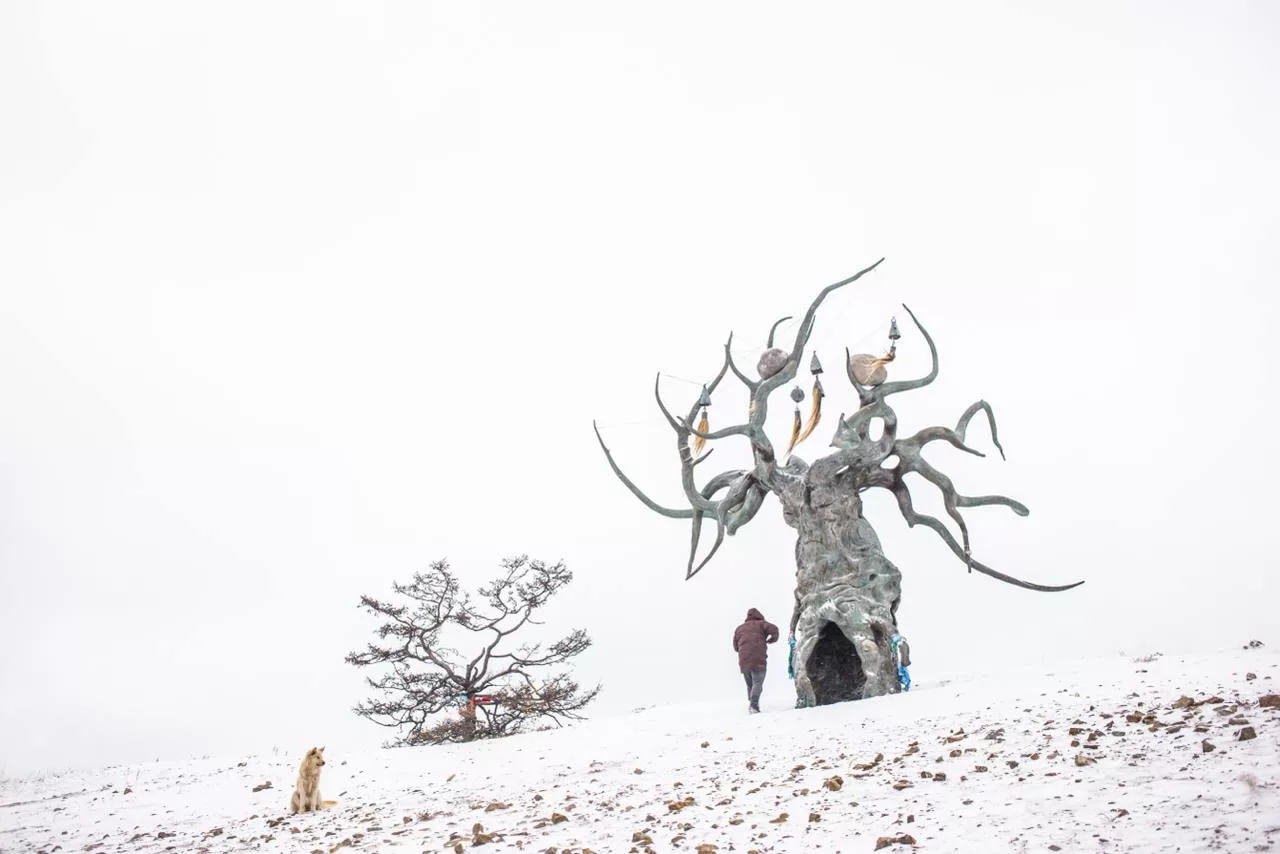
– What coastal locations did you film in? How many places did you manage to visit, and what were they?
"I've been [to Lake Baikal] in the north, the south, the west, and the east. I've been to all the regions [where it runs], and to all the well-known points. I've gone on these expeditions. For example, I'd come north for two or three weeks, look at a map—there's a village called Kholodnoye nearby, for example. It's an interesting name. I'd take a bus, go, and spend the day there. And I've had many such expeditions. Where have I stayed? There are hotels, and somewhere you can find a "grandmother's house." I've visited others for work, as a photojournalist, and stayed with the subjects themselves.
I most often visit Olkhon Island—it's a favorite place for Irkutsk residents, a place of power. It's interesting and beautiful—every year I spend two or three weeks there with my family in a tent.
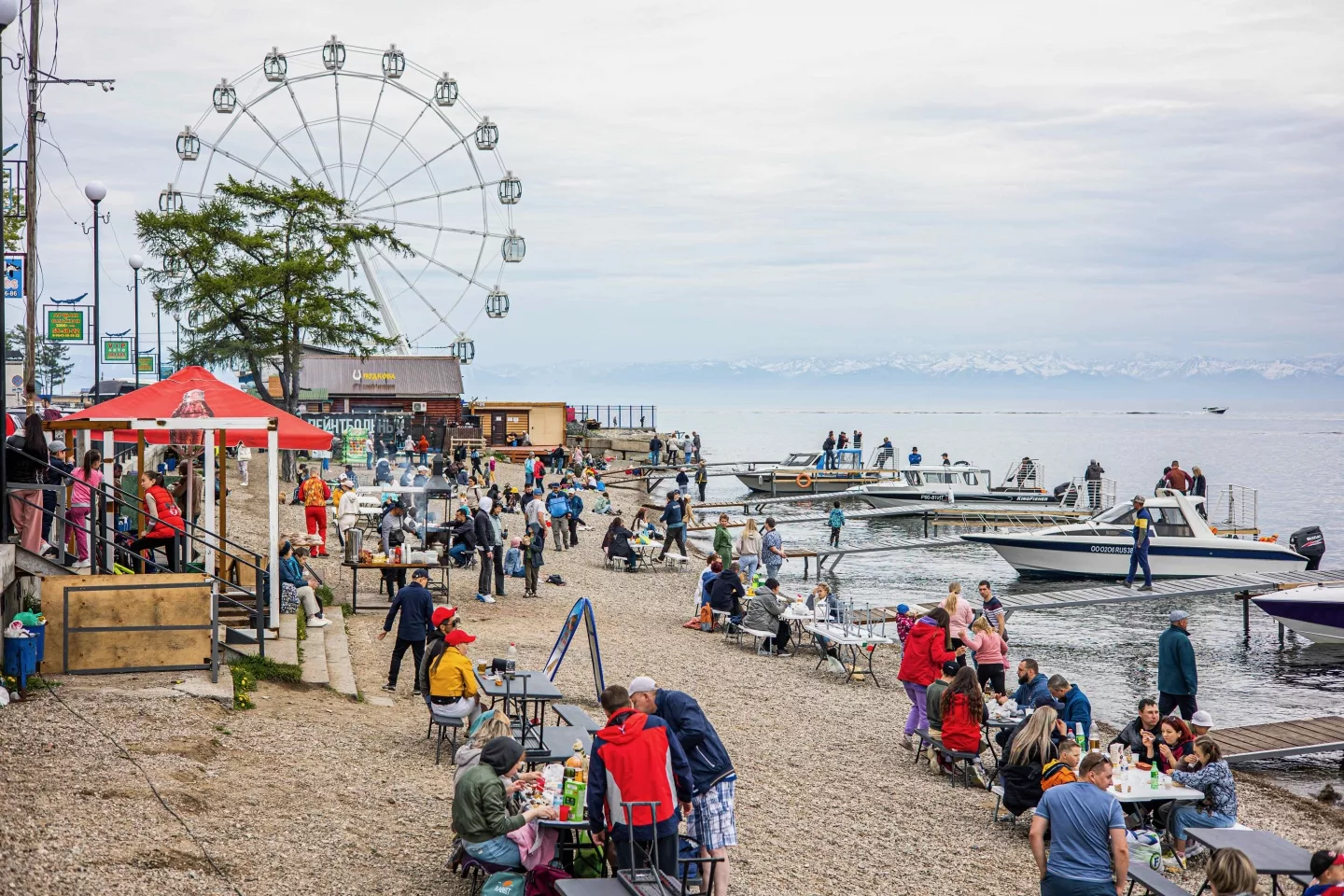
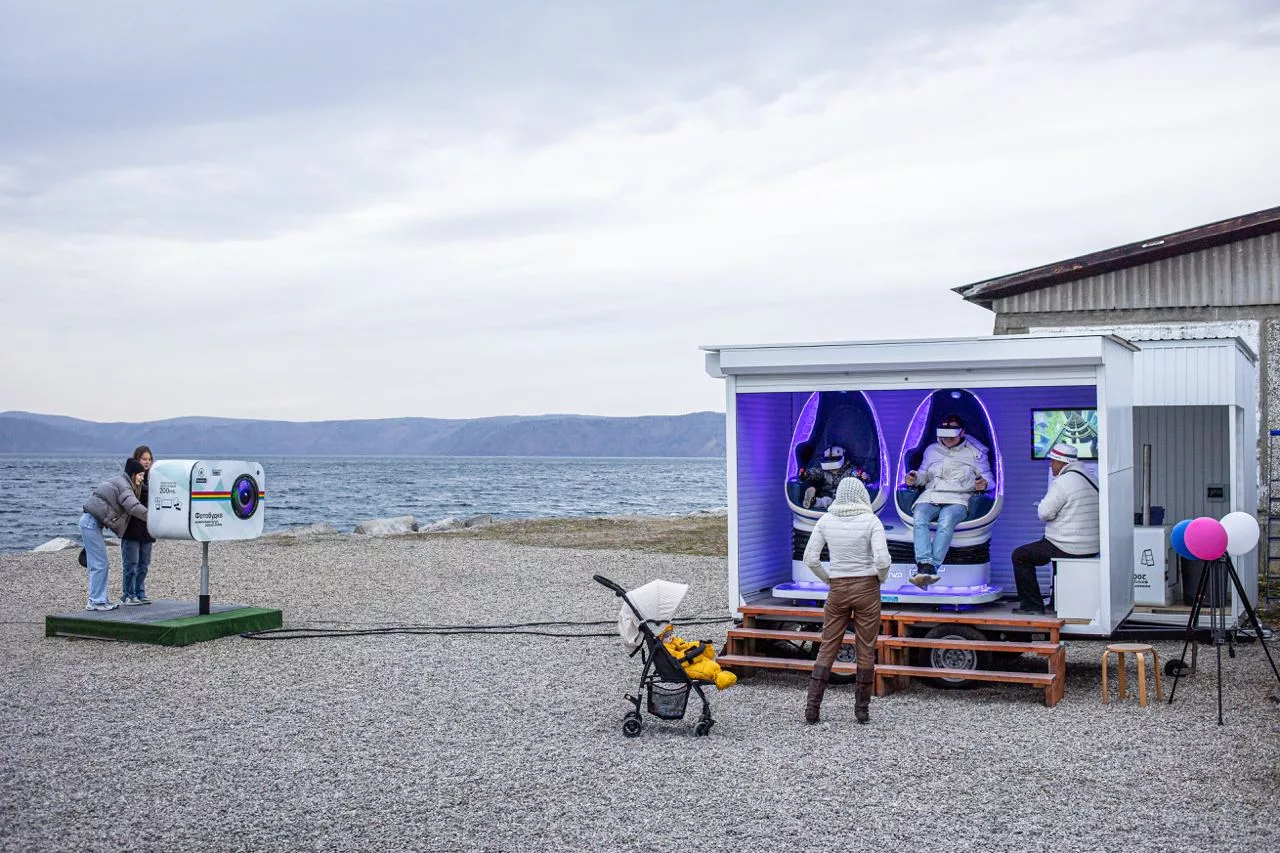
There's also the famous Listvyanka, a village on Lake Baikal that's as close to Irkutsk as possible. It's considered the "gateway to Baikal," but as an Irkutsk resident, I'm ashamed of this place. It doesn't look very presentable to people for whom this is their only chance to see Baikal. Many people do just that—they come for two hours and then move on. Listvyanka is completely undeveloped. The embankments there are poorly maintained—it reminds me of, I don't know, Anapa in the mid-nineties: everything is filled with cheap entertainment, people drink vodka, eat fish on the shore... In short, it's incredibly unsightly and has only gotten worse with age.
For a while, I didn't want to go there, just to avoid seeing it. But then I realized my job was to document how far Listvyanka could sink in its ugliness.


- You toldIt turns out that three main groups of people interact with Lake Baikal: locals living on the coast, Irkutsk residents, and the so-called "Muscovites" or tourists. Each group has its own perspective and relationship with the lake. What are they?
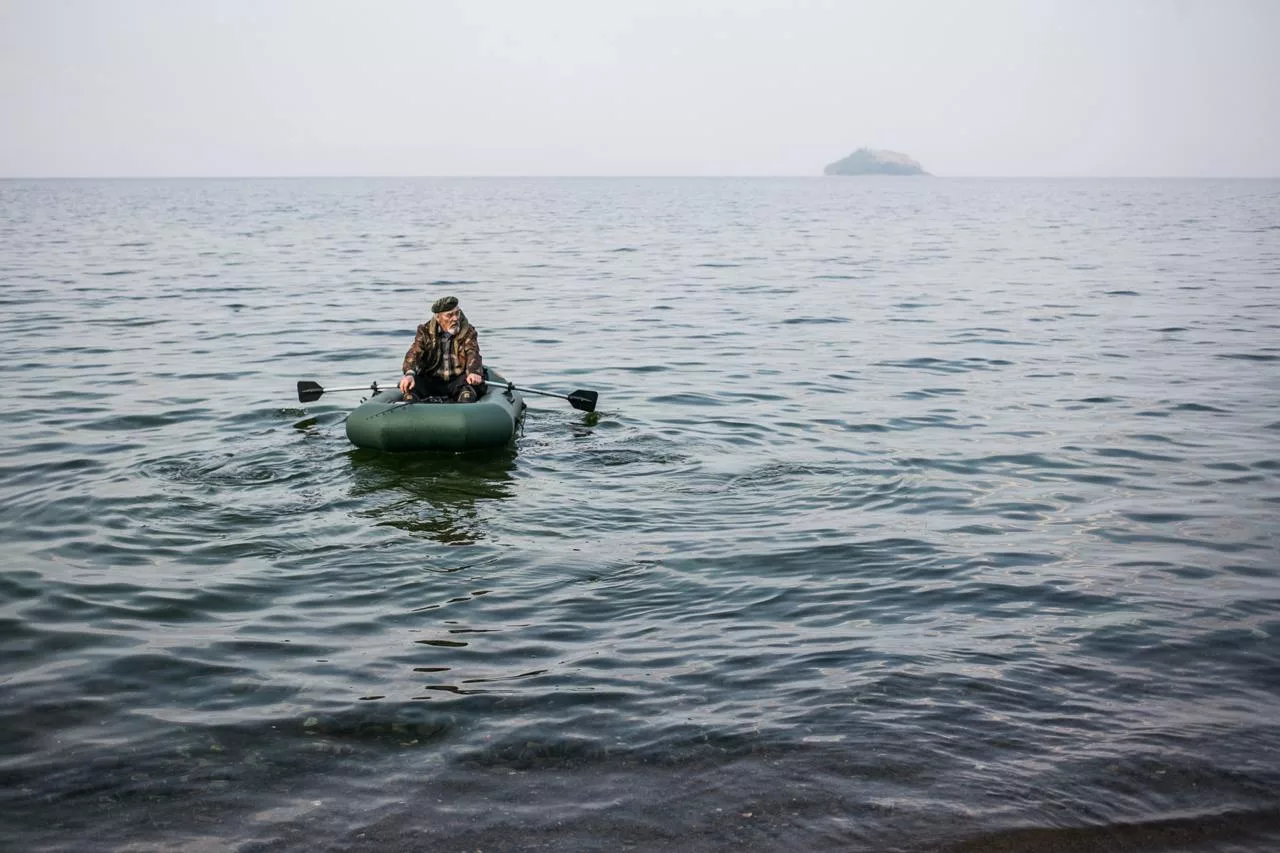
Let's start with the locals. The classic Baikal persona is a village man, constantly caught in some kind of conflict. He's increasingly being denied the things he enjoys most—fishing, hunting, working in industry. And increasingly, he's being offered things that don't quite suit his mentality—like tourism or service. And he has to put up with it. Many of my photographs feature very sad-looking adults. This is my personal impression from conversations with them. They feel a profound lack of use in a very sought-after place—that's the essence of the conflict.
Those who, for example, have mastered the tourism business and built a tourist center face different challenges. On the one hand, they're squeezed by the short season—just four to five months a year—when Lake Baikal is crowded. At other times, there's practically no one there except locals. And the economy isn't always strong.
Tourist centers are also often shut down because they're allegedly built illegally and illegally—and these regulations are often rewritten. Consequently, from a business perspective, local residents can't always invest in infrastructure. Service on Lake Baikal always leaves much to be desired—it's generally shabby, and somehow expensive. This is a well-known problem.
And I also think it's very difficult to live on Lake Baikal. Because the climate there is very harsh, changeable, and suddenly changeable. There are strong winds, and it's quite cold. All the locals walk around with such wind-beaten faces—and inside, I think, from all these conflicts, they are also prickly, harsh, and wind-beaten.

Unlike us Irkutsk residents, by the way. We traditionally claim Lake Baikal for ourselves, saying we love it and will defend it if need be… It's our place of power. And yet, we live in a comfortable place, free from the problems the locals face. Well, we've settled in nicely!
And the third category are those traveling to Baikal from, say, Moscow or China. They face their own conflict: they're faced with the aforementioned service, high prices for accommodation, excursions, and airfare, and at some point they ask, "Why did I spend all that money coming here? I could have flown to somewhere like Turkey." This is a common question.
– Foreigners are like a fourth type of “optics”… Are there many of them? Who are they?
"This was before COVID—at some point, Chinese tourists simply flooded here in droves. There were so many of them that Irkutsk began adapting to their needs. Chinese signs appeared on [one of the main streets] Karl Marx, and for some reason they started selling amber there... In some stores, prices skyrocketed, and when locals asked, the salespeople responded, 'That's not your price, yours is right here.' With the onset of COVID, all this died down."
And in terms of perception... For Asian tourists, Lake Baikal isn't a "place of power" or a place of oneness with nature. It's just another new selfie backdrop.

"The water in Lake Baikal is still clean. But not everywhere."
Which of the local residents of Lake Baikal stood out to you? What are the stories behind the photographs?
"There's the Kopylov family, for example. They live in Krestovaya Bay, off the beaten track. It's a 40-minute drive through rough terrain to get there. They have a 250-cow farm on one side of the bay, and a small tourist camp on the other. The family has six people, plus a couple of helpers—that's how many people they use to serve them."
Groundhog Day starts at six in the morning and lasts until late evening. For example, [in winter] they put out feed for the cows and then go to Lake Baikal for 40 minutes to break the ice so they can drink. While the cows are drinking, they clean out the barns. There's no cell phone reception, there are wolves roaming around, periodically eating the cows and having to be shot... And when you ask, "Why don't you move to the city and leave all this?" they look at you like you're an idiot.
People have lived their entire lives in a beautiful place (and it really is very beautiful and somehow free) – and they can't understand how anyone can live within four walls, in a concrete box. I think it's part of the village mentality – where you were born, that's where you're useful: "This is my job, and I'll do it. I'm useful here, but I don't know what's out there in the city." I've encountered this a lot.

"From your stories, I get the impression that Baikal is still more wild and undeveloped than anything else. This is surprising, considering the lake's worldwide fame. Why is this so?"
"The thing is, even the aforementioned Listvyanka, the most popular spot where everyone goes without exception, hasn't been improved at all. It's a classic Russian conflict—fools and roads, how else to describe it? No one's systematically addressing it."
But there are still some pockets where very high-quality infrastructure facilities have been built. For example, the village of Tankhoy (Situated in Buryatia, on the southern shore of Lake Baikal, the central estate of the Baikal Biosphere Reserve is located here. – Ed. "NotMoscow Speaking"). This is a wonderful example of how to work with public funds. And what excellent, truly European-level infrastructure can be built if this money isn't stolen. There's a wonderful museum there, there are eco-trails for walking – and all of this looks like very good.
"Don't you feel like the less 'civilization' and infrastructure, the better for the lake? It would be better if it remained wild and untouched..."
"Yes, many people say that to preserve the environment, we shouldn't build roads so there will be fewer tourists. But I think the opposite is true. On Olkhon Island, for example, it would be better to build roads precisely for environmental reasons. Then people would stop building their own—they wouldn't be trampling the soil, destroying plants and microorganisms. That's the simplest example."
I was once in Japan and was amazed by how carefully and lovingly the infrastructure there was integrated into nature. It's a whole new level of communication with both natural and human objects. This is an experience we sorely lack. And perhaps we're not yet mentally ready to adopt it. We have this notion that to preserve nature, we need to shield people from it, keep them out, prohibit them. And then it will remain intact. But we understand that keeping people out is impossible. Especially since prohibitions have the opposite effect. And the best way is to create infrastructure that makes people reluctant to use anything else.

– By the way, let's talk in more detail about the lake's environmental situation. The Baikal Pulp and Paper Mill has been closed for over ten years. What's currently threatening the lake's purity?
"I'm not an environmental expert, so I'll speak from my own observations. There's a certain cyclicality in who's to blame for Lake Baikal's problems—the trends seem to be changing."
A few years ago, many they said About an alga called Spirogyra—it eats microorganisms, including the Baikal sponge, which is responsible for keeping the lake clean. It was discovered that Spirogyra is caused by phosphates getting into the water. Phosphates are found in washing powders—people use them, and then all of this ends up in rivers or is directly dumped into Lake Baikal. Spirogyra also looks unpleasant—a slimy mess. And for a while, everyone was simply shouting, "People, come to your senses, buy only 'eco-friendly' washing powders, don't dump phosphates into Lake Baikal."
And then It revealedthat spirogyra appears cyclically every few years, and it is not a fact that it is because of phosphates.
Now, for example, there is talk about building a hydroelectric power station in Mongolia (We are talking about the Egiin Gol hydroelectric power station project, which has been in development for many years try built in the Selenga River basin, the largest tributary of the Bakal. Several similar hydroelectric power plants are planned for construction in Mongolia. – note from "NotMoscow Speaking") – Russian environmentalists claimthat this will seriously damage the Baikal ecosystem.
About clearings Forests are a hot topic... In short, things are constantly changing here, new interests are emerging. It's hard to keep track of it all.
"Then let's rely on your experience. You have many photos of Baikal water. In your opinion, is it still clean?"
"The indicator here is this: can I just walk up to Lake Baikal with a mug and drink from it? In some places, it's no longer possible. For example, in Listvyanka, where boats are constantly sailing. On Olkhon, it's not as abundant as before. When we camp there, we still collect water from Lake Baikal. But we boil it before drinking. And in some places, I occasionally drink [unboiled] water—and nothing has happened to me. The water is visually clean and beautiful."

"Time stood still there."
– Listen, if you look back over the past nine years that you've been photographing Lake Baikal, how have the subjects of your observations changed? What trends can you spot?
"If you look at the book, the idea is that time itself is absent. The photos could have been taken yesterday, or they could have been taken ten years ago. Some things are a little better, some are a little worse, but overall, nothing much has changed. Time is frozen. Whether this is a problem or not is up to the viewer to decide."
– Do you have any favorite photos in the book? Tell us about them.
"I really like one photograph—it's simple, and when you look at it, at first you don't really notice it. It's a photo of various Baikal souvenirs—magnets and all that stuff. I took it at the end of 2019, before COVID, during the Chinese wave. But if you take a closer look at what's being sold there... The very combination excites my mind. In the center are three types of matryoshka dolls. They're Russian traditional toys of a familiar shape, but one depicts Chinese rulers. The second is a female militarized figure holding a grenade. So, you open the matryoshka doll, and inside is a grenade. What a surprise! And the third—an iconic matryoshka doll."
All three images are as far apart as possible, but together they come together as one company on the Baikal counter.
– And they describe today’s reality as best as possible…
"Yes, exactly today's! When I was putting together a book a few years later and saw this photo, I was amazed at how lucky I was to have taken it. I even regretted not having bought one of the sets—I would have loved to have one in my collection of strange things."
Well, that means all this was in preparation for a long time, judging by your photo.
- Well, yes (laughing).

As someone who's traveled to many places on Lake Baikal, could you recommend, say, three less obvious locations worth visiting for a newcomer?
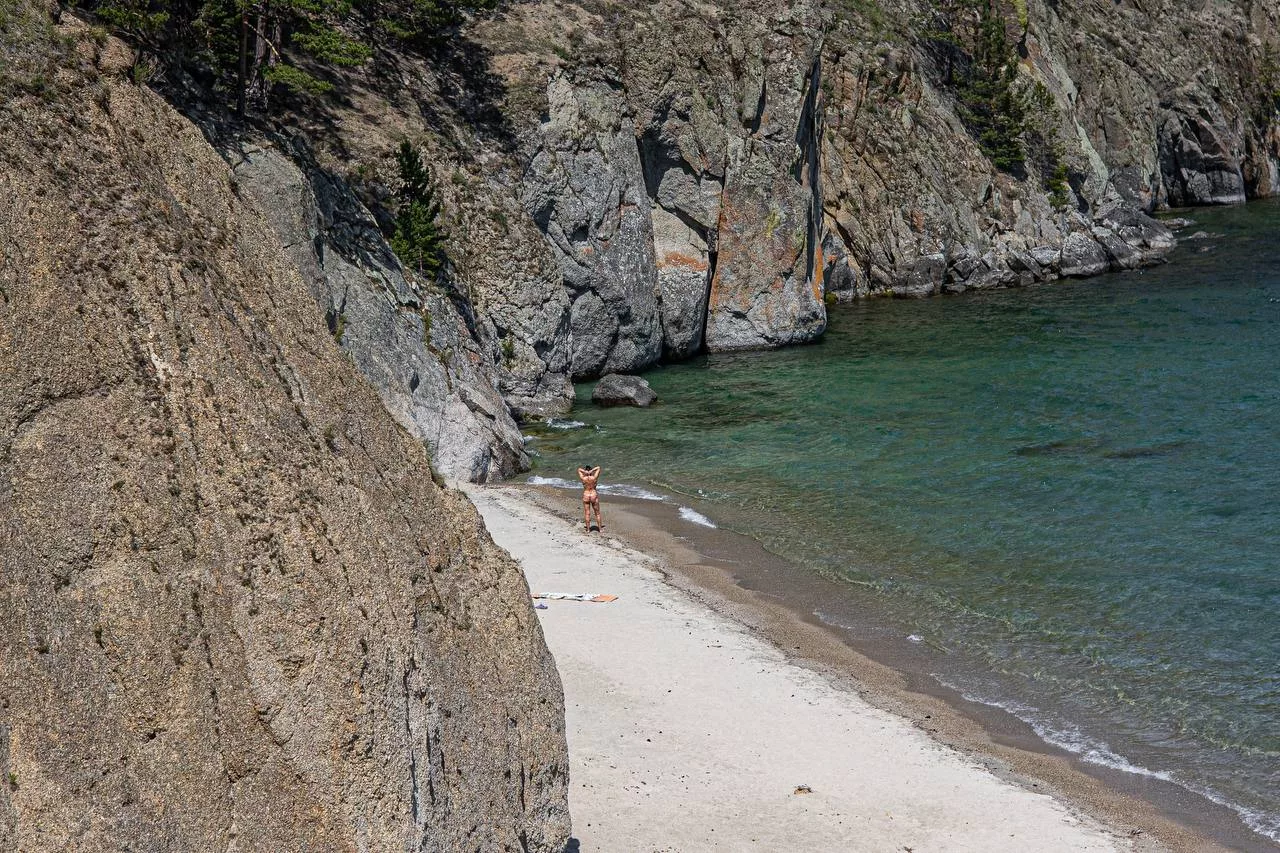
"No logistical restrictions? Then let's start with Peschanaya Bay. It's a bit difficult and expensive to get there, but in the summer you can take a scheduled boat from Irkutsk. Nothing else goes there. In winter, you'll have to travel by hovercraft, which is even more expensive. But within a few kilometers, there's a huge amount of incredibly beautiful scenery. You can walk through the forest, there are plenty of rocky outcrops both inland and on the shore. It's a wonderful place for a 3-5-day trip."
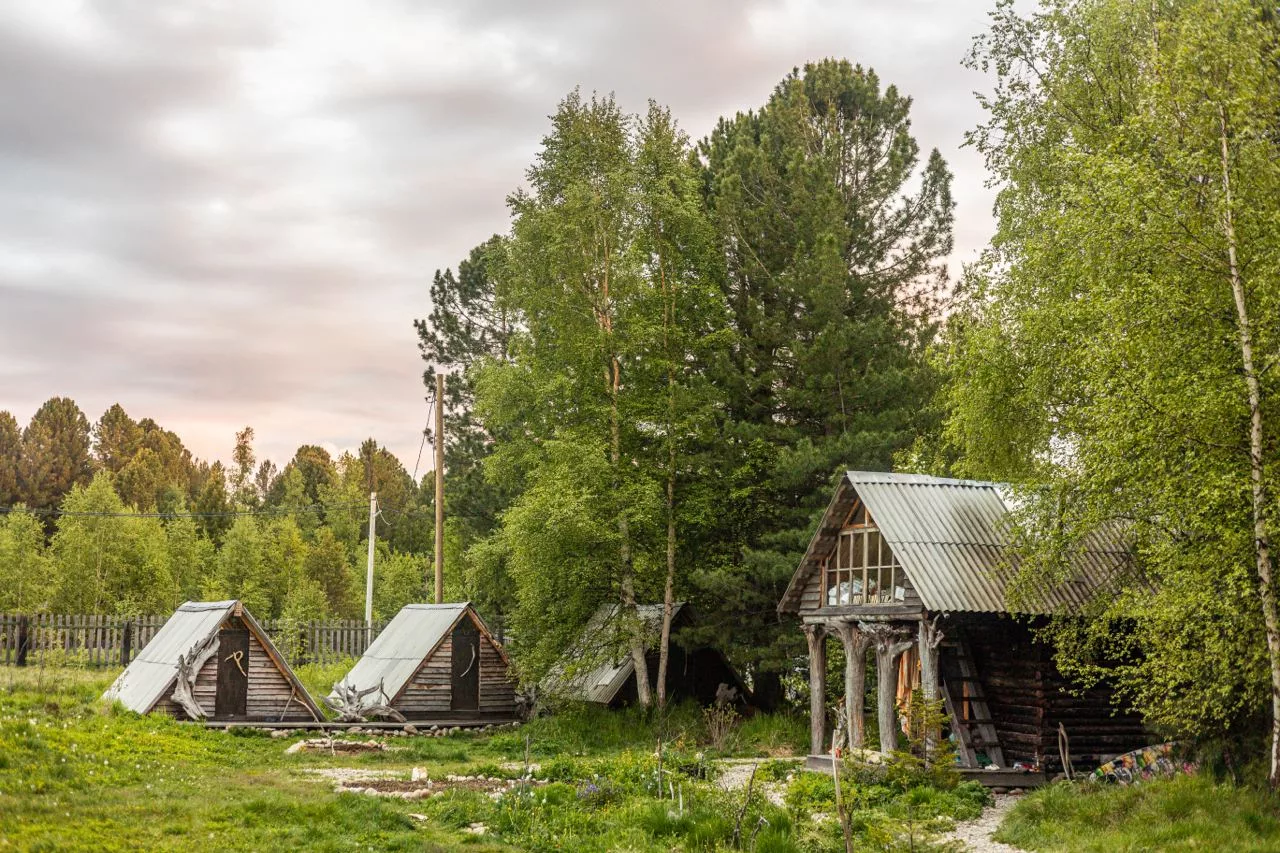
Number two... Let it be a combination: the village of Tankhoy, which I told you about, and art residence "Ustye," not far from there. It's a very authentic tourist base on the shores of Lake Baikal, where artists live. It's not exactly incredible nature—just a rocky beach. The weather there, like everywhere else on Lake Baikal, is constantly changing—it might rain, then shine, and then snow. But the artists have created a special, handcrafted atmosphere there… You just want to linger there as long as possible, soaking it all in.


If you don't worry about logistics and have even more money to spend, you could go to the north of Lake Baikal. There, the Severobaikalsk-Baikalskoye village-Khakusy route would probably be a good option. That's also a multi-day itinerary.
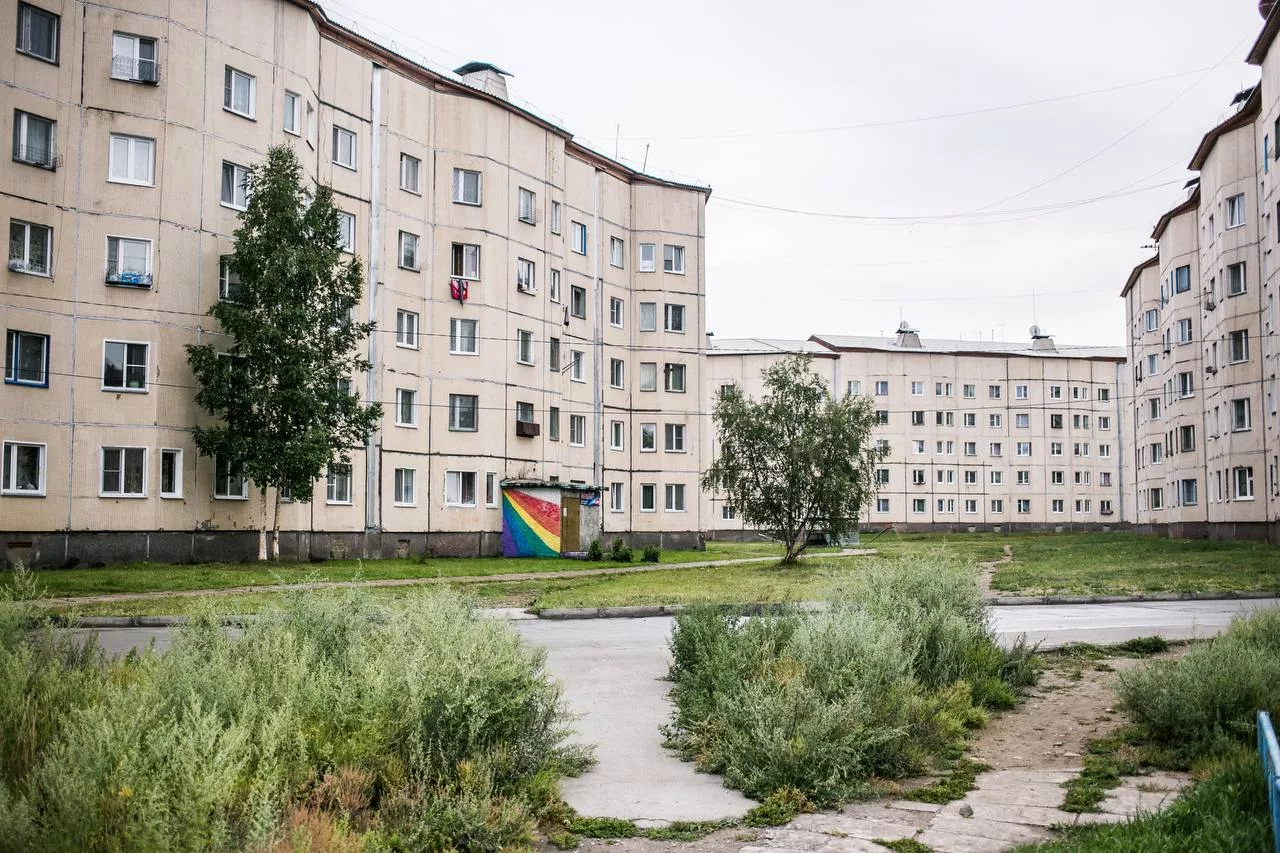
Sever-Baikalsk is a city stuck in the 80s, it has its own unique, wonderful charm.
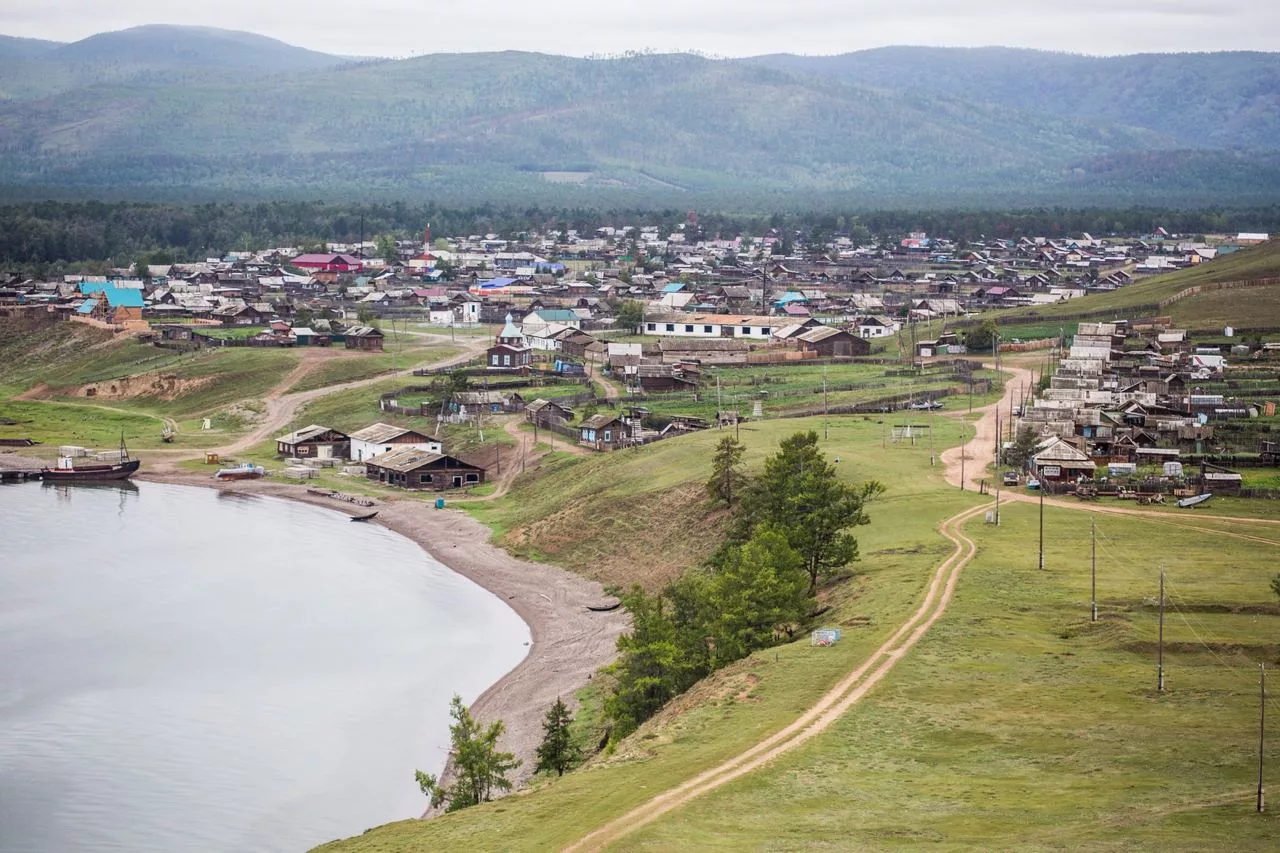
Baikalskoye, I think, has the most pleasant atmosphere among the villages on Lake Baikal—at least, I didn't feel the depressive atmosphere there like in other settlements. The people there are happy with what they have and feel great. Or maybe I'm just lucky.
Khakusy is a truly unique place; you have to get there by boat from Severobaikalsk. It costs money, but there are open-air hot springs there, and they're open 24/7. Pine trees grow there—it's like the depths of the taiga. There are no settlements, just a couple of tourist centers and hot springs where you can have a wonderful time. You know, there are springs that look like giant polycarbonate greenhouses, where everyone crowds together and rubs against each other. But in Khakusy, there's plenty of room for everyone. You can arrive at two in the morning and be literally alone there.


– Will there be a sequel to your book? Or have you finished the Baikal series?
"The point of the book was precisely this—to close the gestalt, so that there's no feeling of incompleteness, and I can do something else. Now I'm searching for a new style and language. I've gone back to study at the Doc-Doc-Doc photography school, taking the "Experiments in Contemporary Photography" course. I want to learn to shoot differently, perhaps less documentary-style, but more conceptually. It's still difficult for me. But I'm unlikely to pass by Lake Baikal; it's close, and I always go there. What will come of it, I don't know. Life is richer than our plans."