

Global responsibility
Kamchatka, Baikal, and the Western Caucasus belong to the entire planet, but Russia can destroy them.
At the end of July, UNESCO added most of the Kenozersky National Park (Arkhangelsk Region) to its World Heritage List – "Not Moscow" Wrote About this. The UNESCO World Heritage Site "Kenozero Cultural Landscape" encompasses the entire central part of the national park: the waters of Lakes Kenozero, Lekshmozero, and Porzhenskie Lakes, and their adjacent shores. The rest of the park and its protected zone have also received international status: they are included in the buffer zone of the World Heritage site.
There are 32 UNESCO World Heritage sites in Russia. 21 cultural sites and 11 natural sitesTo be included on the UNESCO World Heritage List, a natural area must meet at least one of the following criteria:
🔶 includes the greatest natural phenomena or places of exceptional natural beauty;
🔶 is an outstanding example reflecting the main stages of the Earth's history;
🔶 represents an outstanding example of the important and ongoing processes of evolution and development of ecosystems and plant and animal communities;
🔶 includes natural habitats that are most important and significant from the point of view of preserving biological diversity.
At the same 46th session of the UNESCO World Heritage Committee in New Delhi, the status of three more Russian natural sites included in the UNESCO list was considered: Western Caucasus, Volcanoes of Kamchatka и Lake Baikal.
NeMoscow, with the help of environmental project staff, explains why these sites are included on the World Heritage List and what issues related to them are causing concern to global experts. "The earth touches everyone" specialist in specially protected natural areas Mikhail Kreindlin and environmental journalist, media coordinator of the project Yulia Davydova.


Object: Volcanoes of Kamchatka
🔶 Kamchatka Krai
🔶 Inscribed on the World Heritage List under all four criteria in 1996, expanded in 2001
🔶 It includes: Kronotsky Nature Reserve, South Kamchatka Federal Sanctuary and four nature parks - Bystrinsky, Nalychevo, Vilyuchinsky and South Kamchatka.
🔶 Biodiversity: 33 species of mammals, 145 species of birds.
Kamchatka has over 300 volcanoes, 30 of which are active. It is home to Eurasia's highest volcano, Klyuchevskoy (4750 meters), and the famous Valley of Geysers. The world's largest population of brown bears (the second-largest subspecies of brown bear in the world) lives near Lake Kurilskoye. It is also home to Asia's largest sockeye salmon spawning grounds. Kamchatka's coastal waters are home to almost all the Pacific Ocean's marine mammals, including several species of endangered whales, sea otters, and killer whales.
The main threat to this area is the Three Volcanoes resort project, which is being implemented by Rosa Khutor, a company owned by Vladimir Potanin, as part of the national project "Tourism and Hospitality Infrastructure." In 2020, in the interests of the project, a 15-hectare area adjacent to the picturesque Zhirovaya and Vilyuchinskaya bays was excluded from the northern part of the South Kamchatka Nature Park. This area is frequented by sea otters and killer whales, and is also a nesting site for endangered Steller's sea eagles.
The Three Volcanoes resort project envisioned a large seaport for cruise ships and various hotel complexes in these bays, along with a road. This would have destroyed the natural beauty of the area. These plans provoked a sharply negative reaction from UNESCO, leading to a proposal to reclassify the site as a World Heritage Site.
If a site is damaged by natural disasters or human activity, UNESCO may move the site to the List of World Heritage in Danger.
This is a de facto confirmation that the country is not fulfilling its obligations to preserve the World Heritage site, but it is not a repressive measure, but an opportunity to receive advisory support from international experts for the restoration of the site.
Russia managed to prevent this status from being adopted by promising to elevate the status of the South Kamchatka and Klyuchevskoy nature parks to federal status, incorporating them into the newly created Volcanoes of Kamchatka National Park. The 15 hectares, however, remained outside the planned national park area, despite UNESCO's request, and the national park itself was never created.
The latest decision, adopted at the committee's 46th session, sets out a strict requirement for Russia to include this territory in the national park. Russia must report on its progress in this regard by February.


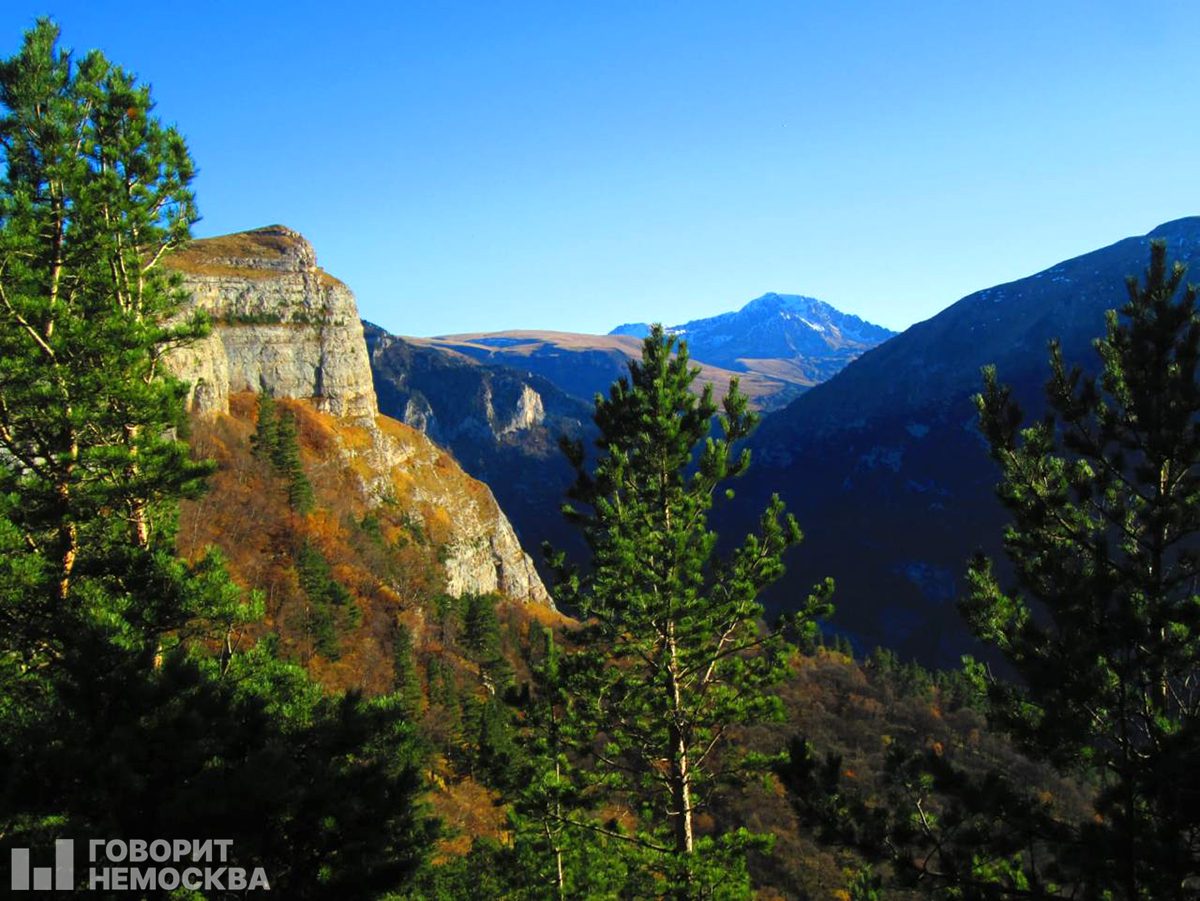
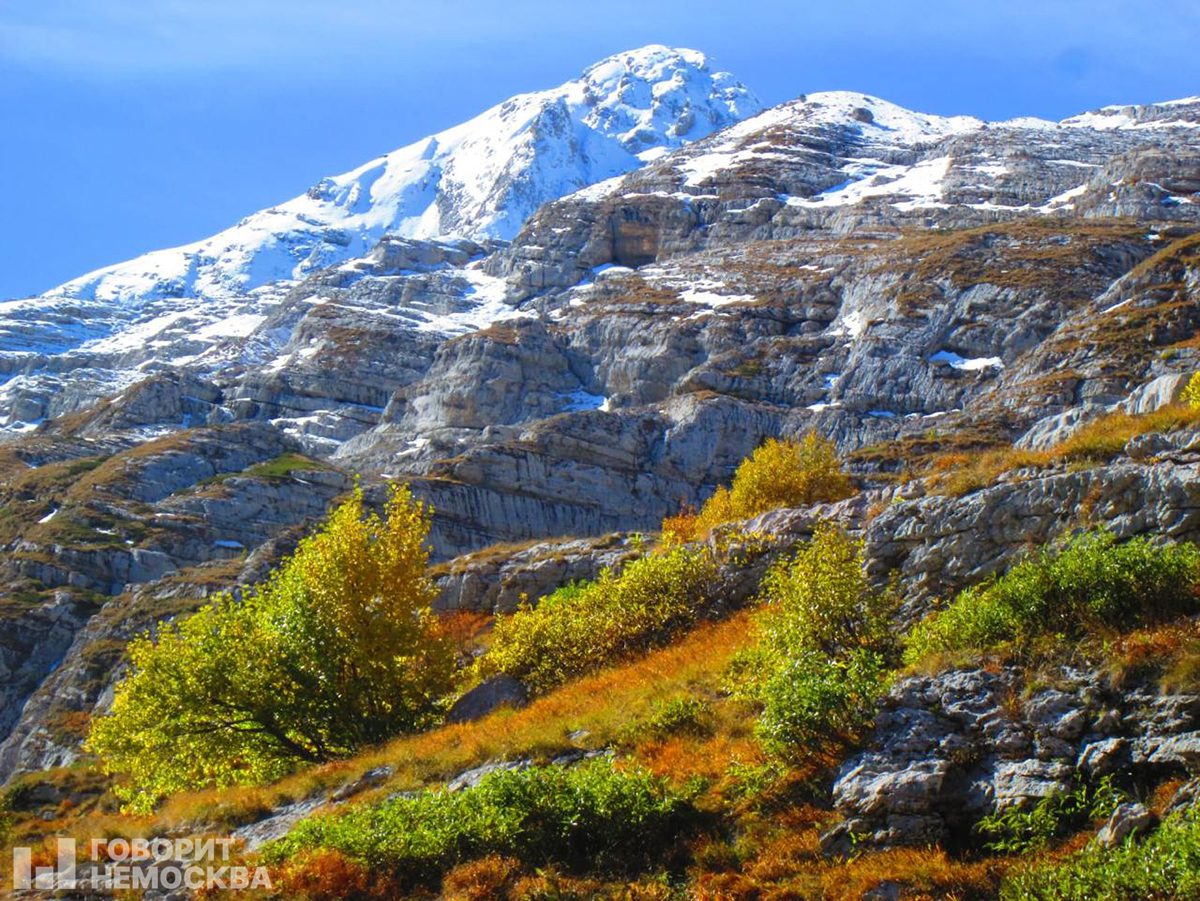
Western Caucasus
Krasnodar Krai, Republic of Adygea, Republic of Karachay-Cherkessia.
Inscribed on the World Heritage List in 1999.
Criteria:
🔶 represents an outstanding example of the important and ongoing processes of evolution and development of ecosystems and plant and animal communities;
🔶 includes natural habitats that are most important and significant from the point of view of preserving biological diversity.
The structure includes: Caucasian Nature Reserve, natural parks "Bolshoy Thach", "Upper Reach of the Tsitsa River", "Mountain Adygea" and the natural monument "Buiny Ridge".
Biodiversity: 80 species of mammals, 250 species of birds, about 3 thousand species of plants.
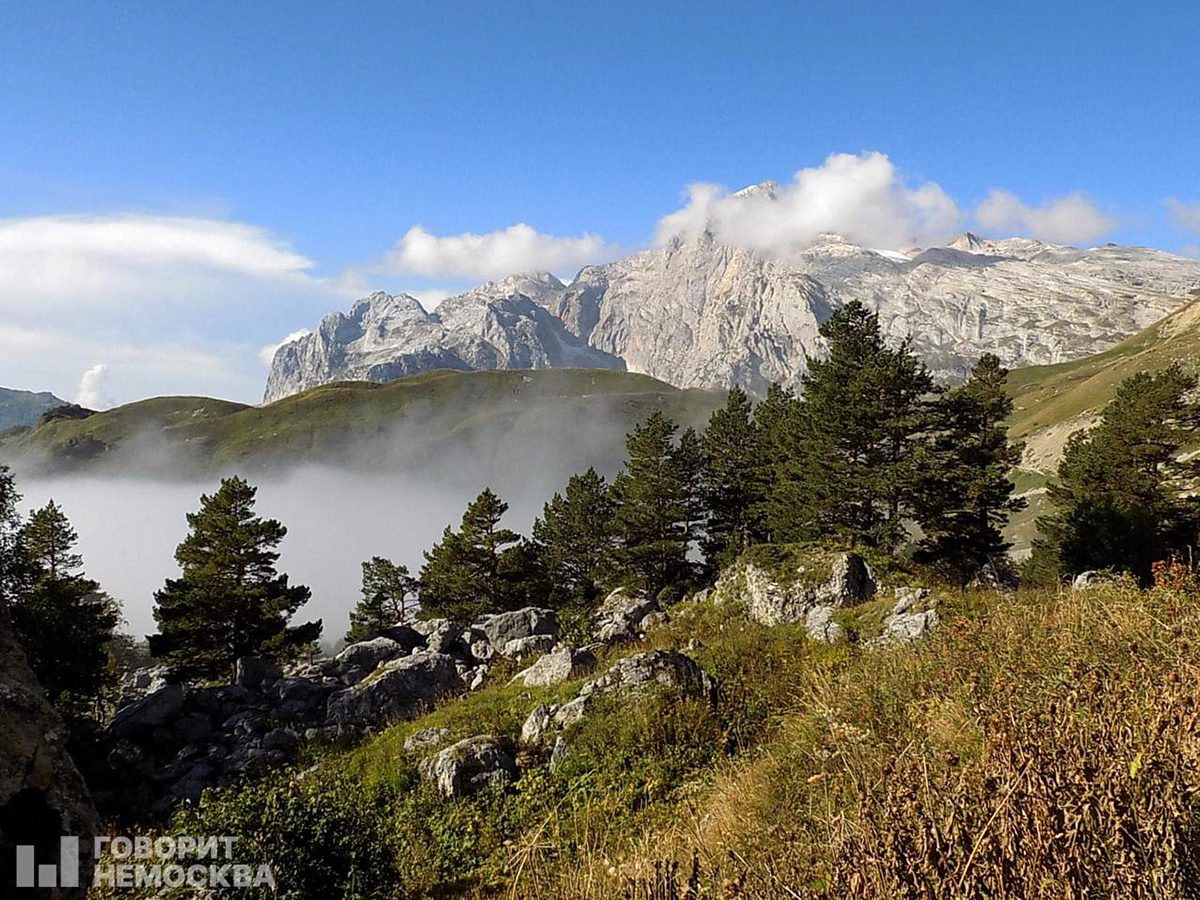
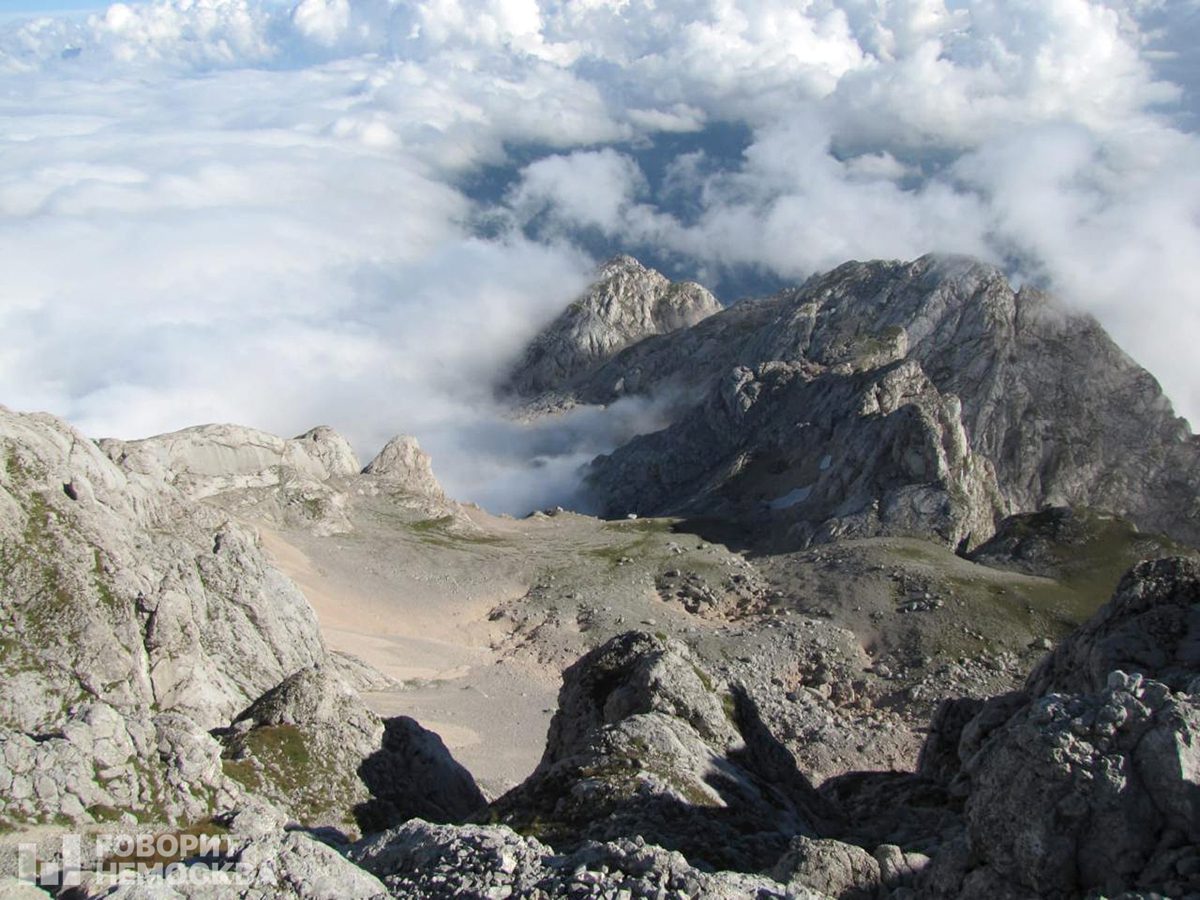
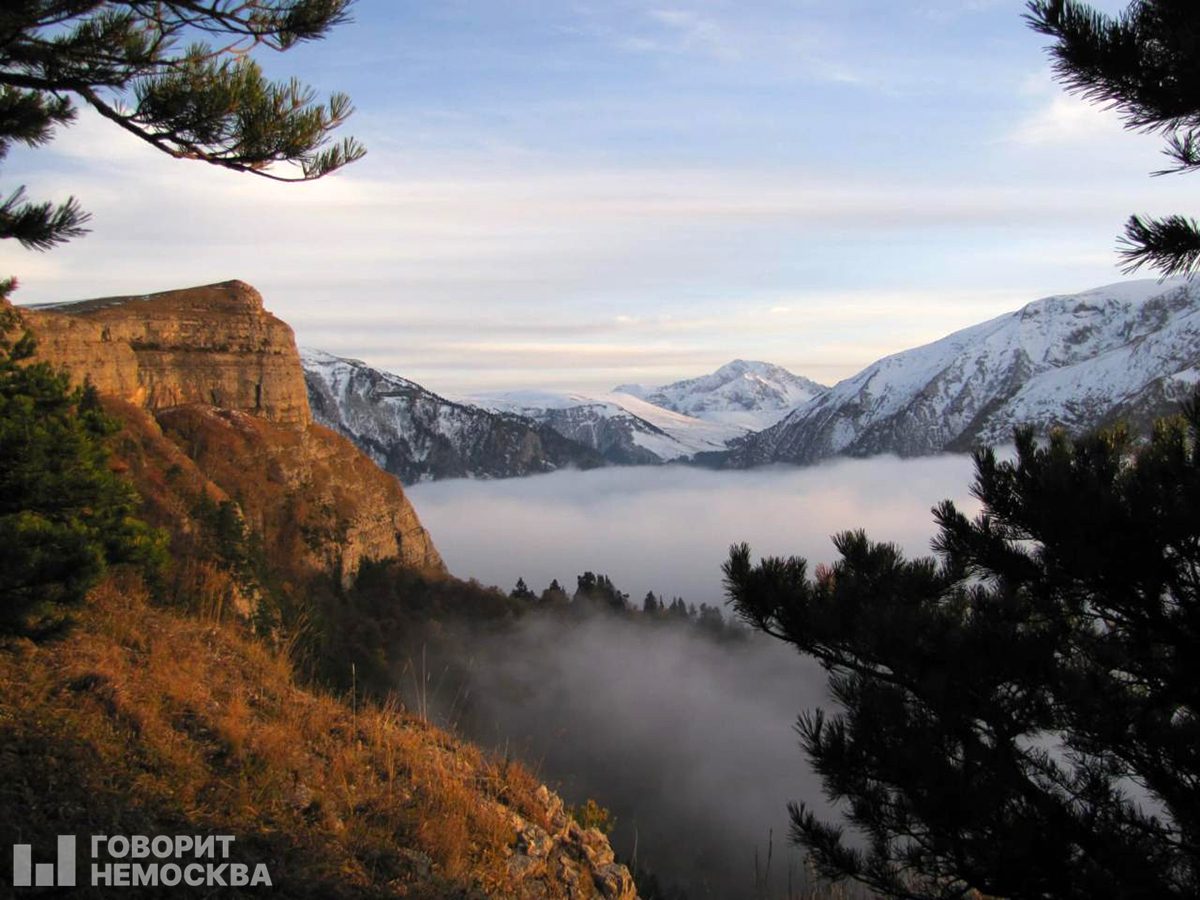
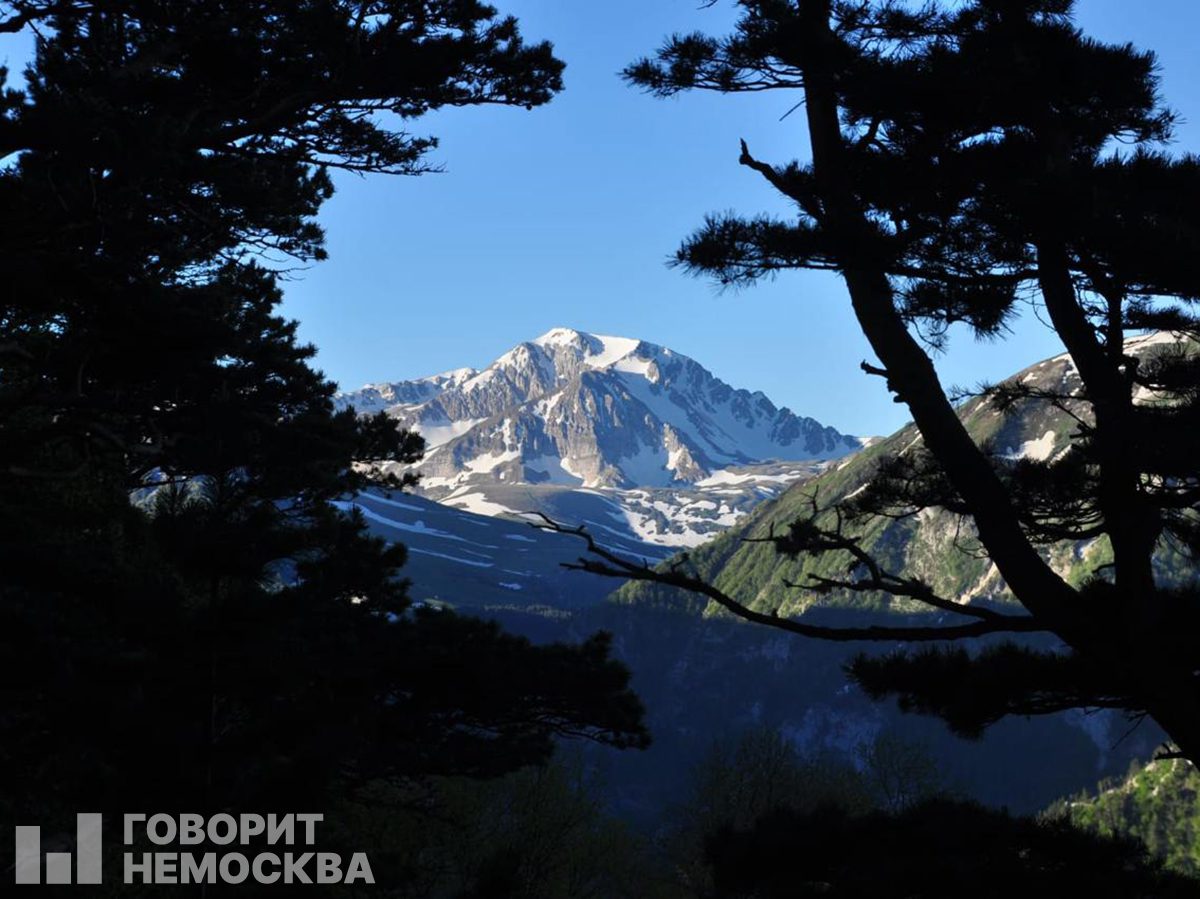
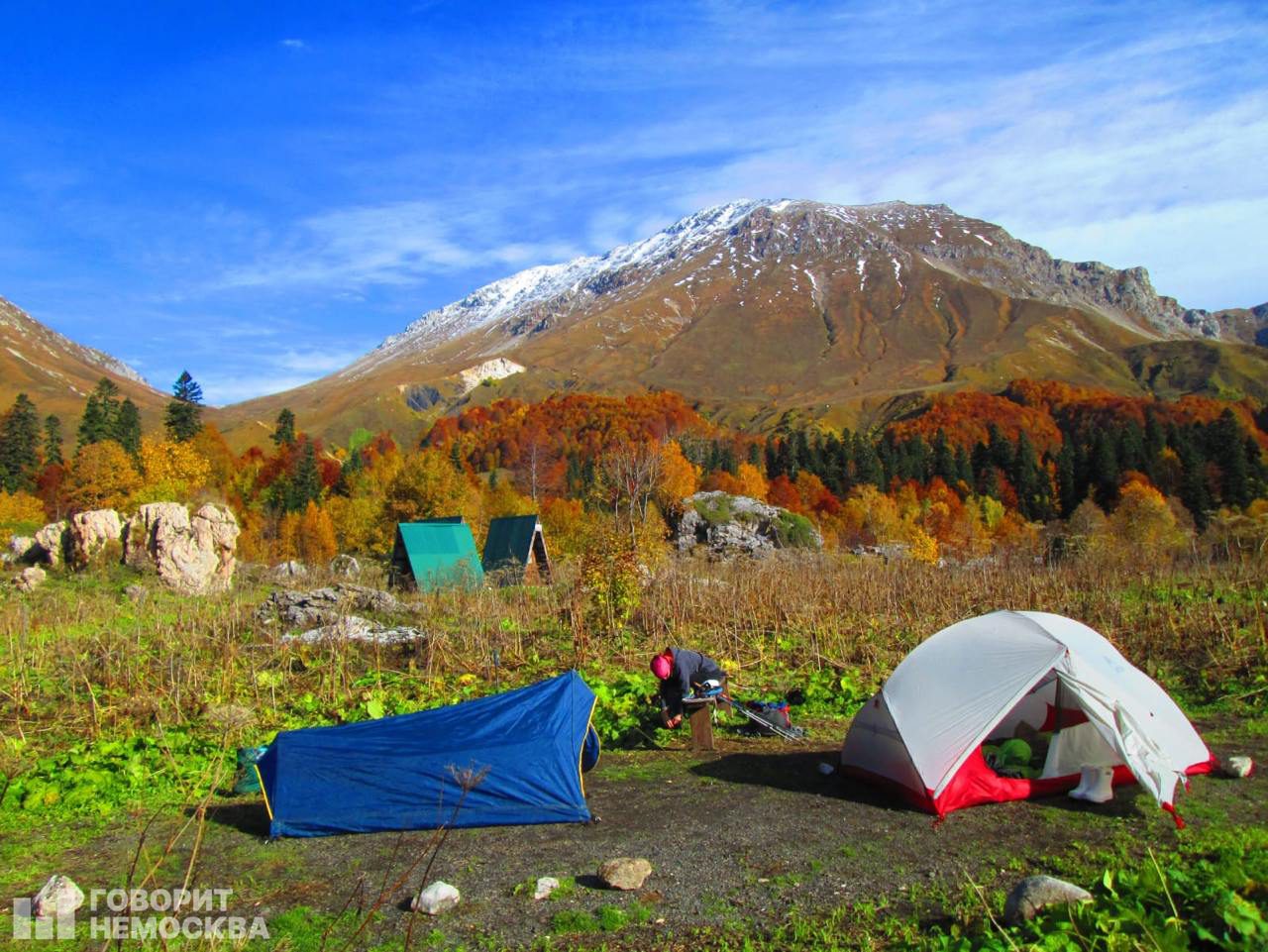
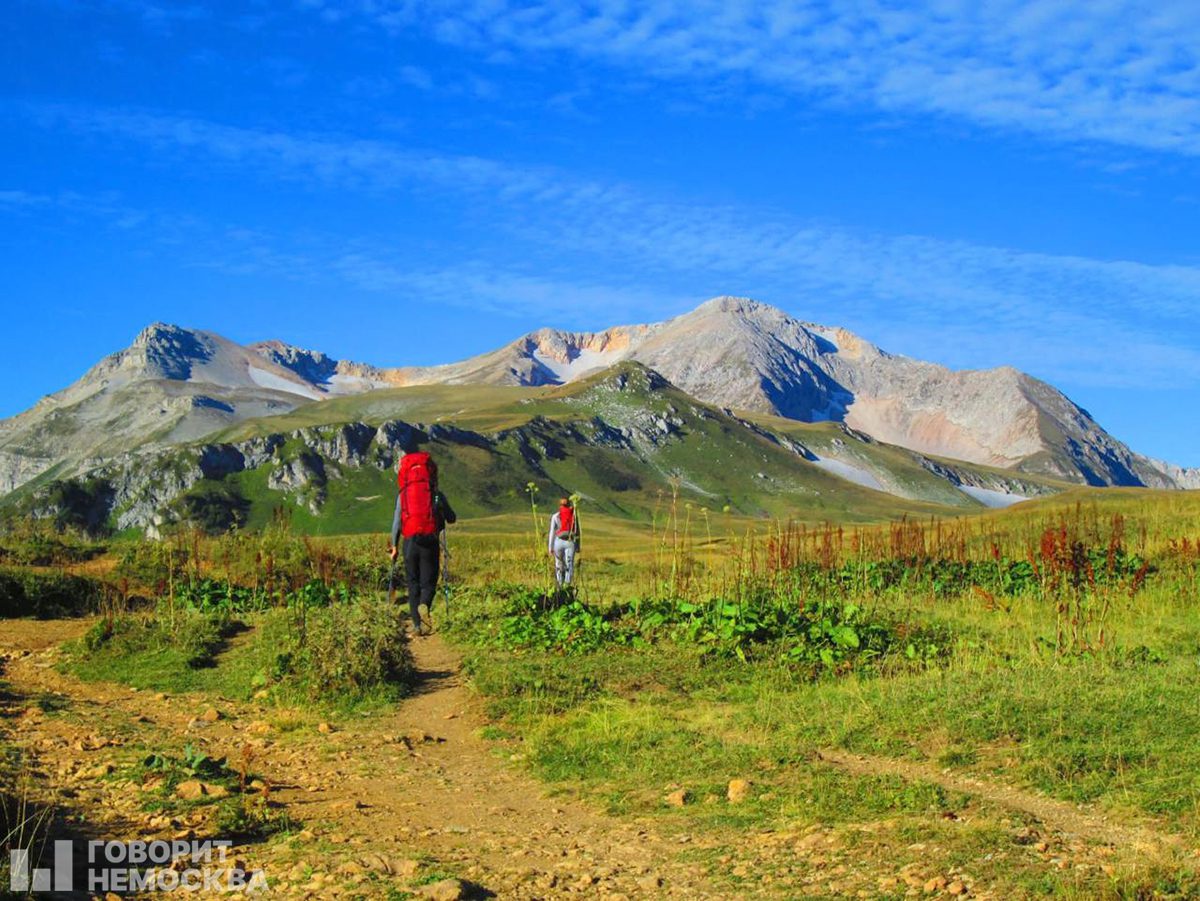
The Western Caucasus is the only mountainous region in Europe that has not been significantly impacted by human activity, it says. of resolution UNESCO World Heritage Site. This is an extremely valuable area for the preservation of ecological diversity. Due to its large size, large animals can thrive here without the threat of extinction.
A bison population restoration program was successfully implemented here: the current herd, now numbering several hundred, is based on hybrids of the Belovezhskaya Caucasian bison and the European bison. A program to restore the Persian leopard is also underway.
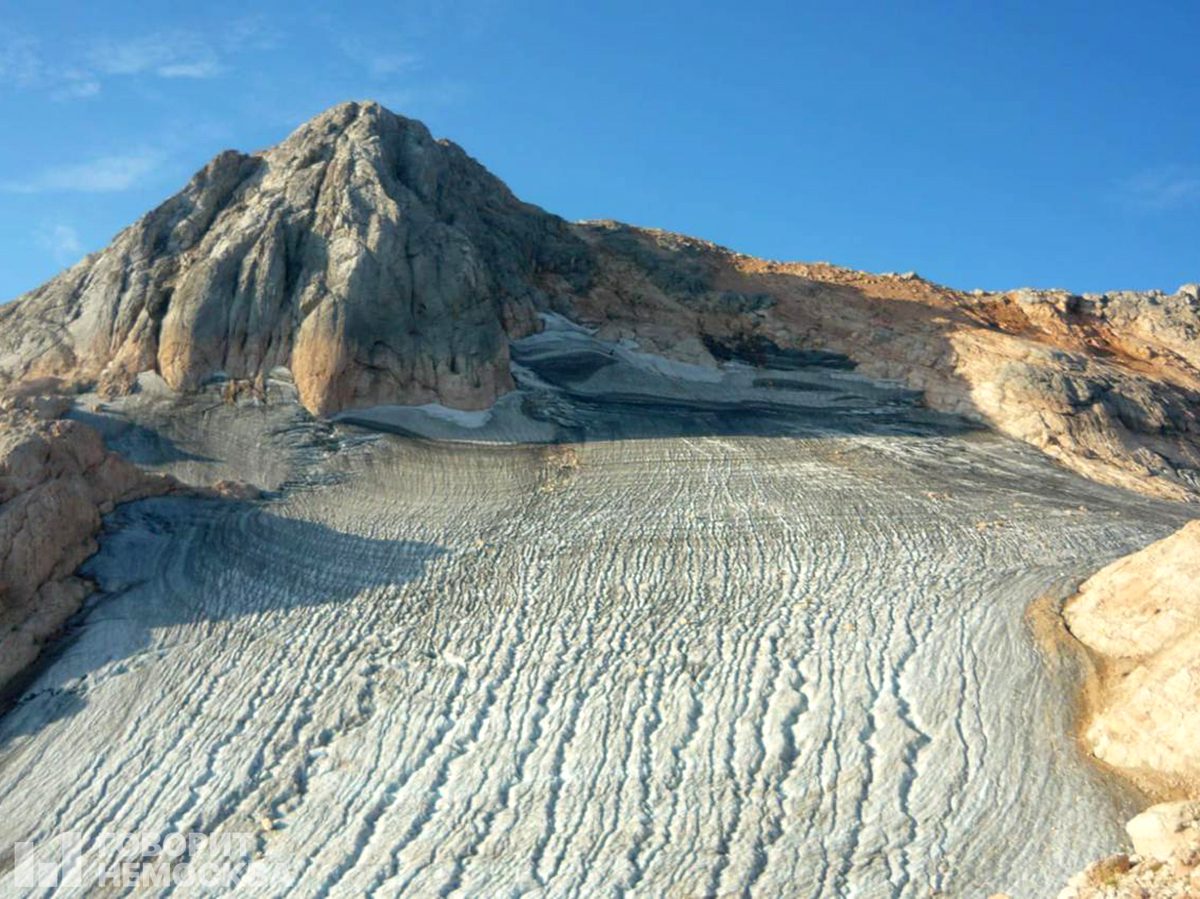
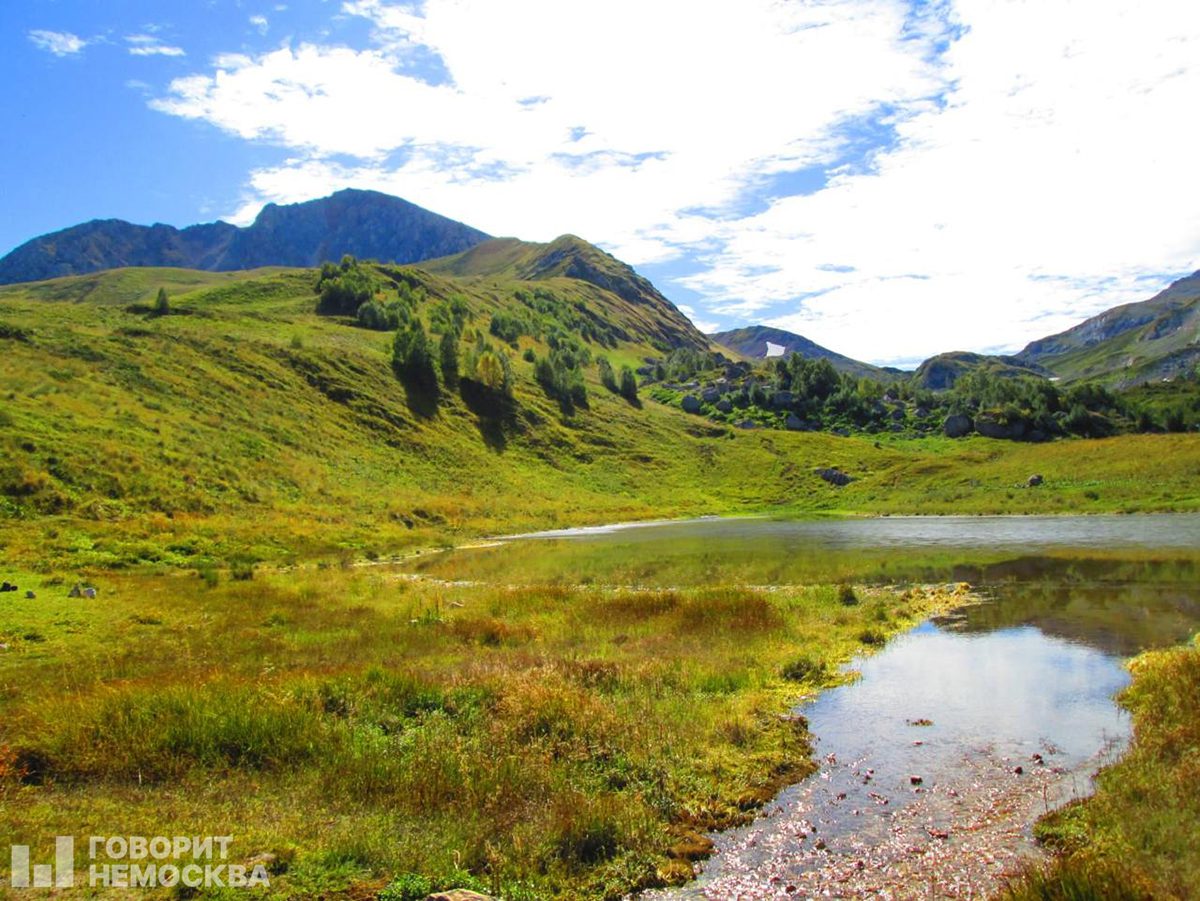
The Western Caucasus is also among twenty globally significant regions in terms of geological diversity. It is home to more than ten mountains with elevations exceeding three thousand meters, numerous bizarre cliffs and deep gorges, high-mountain lakes, and large waterfalls up to 250 meters high.
NotMoscow wrote about the main threat for one of the most beautiful places in the Western Caucasus - the Lagonaki plateau: this is the planned construction of a ski resort with the same name.
The story began in 2010. To circumvent the ban on construction within the boundaries of the protected area, a special law was passed that allowed for the designation of biosphere reserves as biosphere testing areas, where construction was permitted. This law was later repealed, but the repeal did not affect the already approved testing areas. A new Regulation on the Caucasus State Nature Biosphere Reserve was also issued, which also permitted the construction of roads, hydraulic structures, and other structures within the biosphere testing area.
UNESCO categorically opposed these plans. The resolution of the 44th session of the World Heritage Committee stated that "the construction of large-scale infrastructure within the boundaries of the property, including on the Lagonaki Plateau, would constitute grounds for inscription of the property on the List of World Heritage in Danger." However, the authorities and businesses still plan to begin construction in 2025.
Read more about this in the NeMoskva article. here:.
Another threat is the plans to build several highways and even a railway (!) through the facility's territory. The main one is intended to connect Sochi with the resorts of the North Caucasus.


Lake Baikal
Irkutsk Oblast, Republic of Buryatia
Inscribed on the World Heritage List under all four criteria in 1996
The territory includes three nature reserves: Barguzinsky, Baikalo-Lensky, and Baikalsky; three national parks: Pribaikalsky, Zabaikalsky, and part of Tunkinsky; two federal wildlife sanctuaries: Kabansky and Frolikhinsky; and numerous protected areas of regional significance.
Biodiversity: more than 2600 species of animals and plants, ⅔ of which are endemic, meaning they live only here.
Lake Baikal contains 20% of the world's water reserves and over 90% of Russia's. It is the deepest (1,642 meters) and oldest (approximately 25 million years) in the world, with the most diverse flora and fauna of any freshwater body. It is also one of the most biodiverse lakes on Earth: of the 2,600 species and subspecies of animals and plants, most are found only here. These include, for example, the freshwater seal, the Baikal seal, whose appearance in the lake remains a mystery; the crustacean epishura, which purifies Baikal's waters; and the famous Baikal omul.
Latest revision The draft amendments to the law "On the Protection of Lake Baikal" significantly weaken the legislative protections for Lake Baikal and adjacent territories, replacing the special protection regimes for the Baikal Natural Territory with general legal norms. It explicitly mentions the possibility of clear-cutting of dead stands, specifying a specific area of approximately 7 hectares. Not only dead but also damaged forests may be at risk from clear-cutting.
The cleared area quickly becomes overgrown with grass, increasing the risk of fires. Soil and various debris will end up in streams and rivers, and then in Lake Baikal, facilitating the growth of blue-green algae, spirogyra, and other fungi.
Another very serious problem: the recent government decree "On the maximum and minimum water levels in Lake Baikal" allows for regulation of the water level within a range of up to 1,4 meters (in extreme years, up to 2,31 meters). Previously, the permitted range was only 1 meter. Experts believe that artificial flooding or drainage of coastal areas may cause enormous damage to the lake's ecosystems.
Clear-cutting is also planned for the construction of tourist facilities in special economic zones—there are two of them on Lake Baikal, covering a total area of approximately 4 hectares. Cosmos Hotel Group (part of AFK Sistema Group) is currently holding public consultations on the construction of the Cosmos Collection Baikal Resort hotel complex in Bezymyannaya Bay. Project experts "The earth touches everyone" They believe that this is a serious threat to the lake's ecosystem, and that public hearings are being conducted in violation of the law. HERE — all the details, as well as instructions on how to send a letter to the customer and the developer of the complex to protect Lake Baikal.

